Dermapen for Face Ultimate Guide 2024: How to Choose the Best Microneedling Device_26
The Rising Demand for Dermapen Treatments
The global microneedling device market is projected to reach $1.2 billion by 2027, growing at 7.9% CAGR according to Grand View Research. As consumers increasingly seek non-invasive facial rejuvenation solutions, dermapen for face treatments have emerged as the gold standard for collagen induction therapy. Unlike traditional dermarollers that can cause skin tearing, modern dermapens offer precise needle penetration with adjustable depths from 0.25mm to 2.5mm.
Key Pain Points Addressed
- Uneven skin texture from acne scars or aging
- Ineffective product absorption due to thick stratum corneum
- Costly professional treatments requiring frequent clinic visits
Dermapen Buying Guide: 7 Must-Check Features
| Feature | Professional Grade | Home Use |
|---|---|---|
| Needle Depth | 0.5-2.5mm adjustable | 0.25-1.0mm fixed |
| Cartridge System | Disposable FDA-approved | Reusable sterilized |
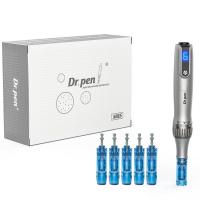
Case Study: Dr. Pen Ultima A7
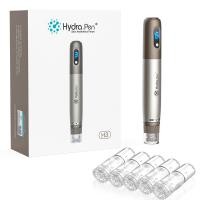
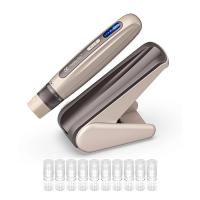
This medical-grade device solved the hygiene concerns of beauty clinics by implementing patented needle cartridge technology. Each treatment uses fresh 36-pin cartridges that prevent cross-contamination while maintaining consistent penetration depth.
Technical Specifications Decoded
Modern dermapens operate at 10,000-18,000 RPM with penetration force measured in Newtons (N). The optimal frequency range for collagen induction is 5-12Hz, as demonstrated in this performance chart:

Manufacturing Standards
- ISO 13485 certified production
- CE/FDA clearance for medical devices
- RoHS compliant materials
Industry Trends 2024
European markets show 23% higher adoption of wireless dermapens compared to North America (Statista 2023). The ASEAN region is experiencing 40% year-over-year growth in home-use devices under $200. New EU MDR regulations now require full material disclosure for all Class IIa devices.
FAQ Section
Can dermapen be used on sensitive skin?
Yes, when using 0.25mm needles with hyaluronic acid serums. Always perform patch tests 24 hours before full treatment.
What certifications should I look for?
FDA 510(k) clearance for US markets, CE Mark for Europe, and TGA approval for Australia.