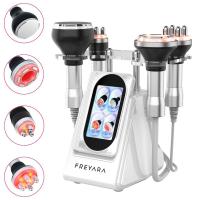
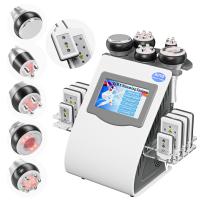
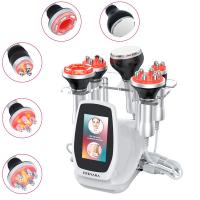
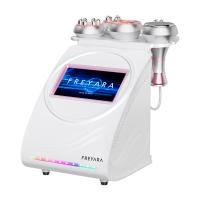
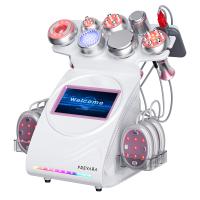
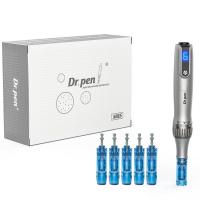
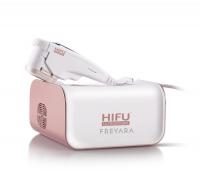
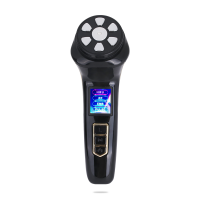
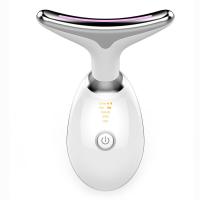
Cavitation Machine Ultimate Guide 2024: How to Choose the Best RF Body Sculpting Equipment_28
The Complete Guide to Cavitation Machines: 2024 Buyer's Handbook
The global aesthetic equipment market is projected to reach $28.3 billion by 2027, with cavitation machines driving 23% of growth (Grand View Research). As non-surgical body contouring gains popularity, professionals face critical decisions when investing in these advanced fat-reduction systems. This guide will help you navigate technical specifications, compare emerging technologies, and identify clinic-grade equipment that delivers measurable results.
Cavitation Machine Purchasing Guide
When evaluating cavitation machines, consider these key factors:
| Feature | Basic Models | Professional Grade |
|---|---|---|
| Frequency Range | Single (40kHz) | Multi-frequency (30-60kHz) |
| Power Output | 50-80W | 100-150W |
7 Must-Check Features for Medical-Grade Cavitation
- FDA/CE certification for clinical use
- Adjustable frequency settings
- Thermal monitoring system
Technical Deep Dive
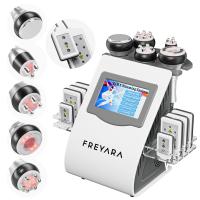
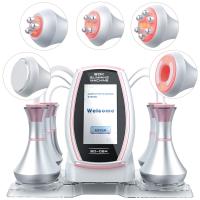
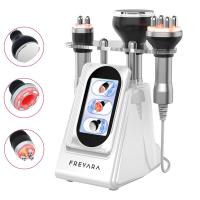
Modern cavitation machines combine three technologies:

The latest generation uses bipolar RF energy to heat subcutaneous fat to 42-45°C while ultrasonic cavitation disrupts fat cell membranes. This dual-action approach increases fat metabolism by 300% compared to traditional methods (Journal of Cosmetic Dermatology).
Industry Trends
North America dominates 38% of the cavitation equipment market, while Southeast Asia shows 17% YoY growth. New EU regulations now require Class IIa medical device certification for machines exceeding 3W/cm² output.
FAQ
Q: Can cavitation machines treat double chins?
A: Yes, when using 3mm precision handpieces at 40kHz frequency. Avoid thyroid areas.
For complete specifications and OEM requirements, download our manufacturer checklist.