LED cooling solutions: The Ultimate Guide to LED Heat Dissipation_78
LED cooling solutions: The Ultimate Guide to LED Heat Dissipation
LED heat dissipation is crucial for maintaining the performance and longevity of LED lighting systems. Proper thermal management ensures that LEDs operate efficiently, preventing overheating and extending their lifespan. This guide explores various techniques and solutions for effective LED heat dissipation.
Table of Contents
1. LED heat sink materials2. Thermal management for LED lights
3. Best cooling solutions for LED
4. How to improve LED lifespan
1. LED heat sink materials
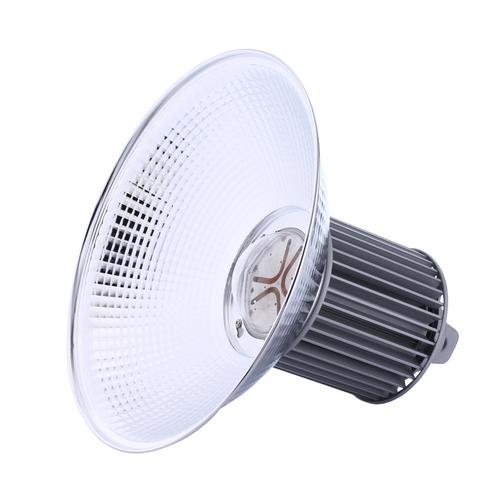
Choosing the right heat sink material is essential for effective LED heat dissipation. Common materials include aluminum, copper, and ceramic, each offering unique thermal conductivity properties. Aluminum is lightweight and cost-effective, making it a popular choice for many LED applications. Copper provides superior thermal conductivity but is heavier and more expensive. Ceramic heat sinks offer excellent insulation and are ideal for high-temperature environments. The selection of material depends on factors such as the LED's power output, operating environment, and budget constraints. Proper design and material choice can significantly enhance heat dissipation efficiency.
2. Thermal management for LED lights
Thermal management is a critical aspect of LED lighting design. Effective thermal management involves using heat sinks, thermal pads, and conductive materials to transfer heat away from the LED chip. Passive cooling methods, such as natural convection and radiation, are commonly used for low-power LEDs. For high-power LEDs, active cooling methods like fans or liquid cooling may be necessary. Proper thermal management not only prevents overheating but also ensures consistent light output and color stability. Implementing a comprehensive thermal management strategy can dramatically improve the performance and reliability of LED lighting systems.
3. Best cooling solutions for LED
The best cooling solutions for LEDs depend on the specific application and thermal requirements. Heat sinks with fins increase surface area for better heat dissipation. Thermal interface materials, such as thermal paste or pads, improve heat transfer between the LED and heat sink. For extreme conditions, phase-change materials or thermoelectric coolers can be employed. Advanced solutions like heat pipes or vapor chambers offer efficient heat distribution. Regular maintenance and proper installation are also crucial for optimal cooling performance. By selecting the right cooling solution, you can ensure your LEDs operate at peak efficiency for years to come.
4. How to improve LED lifespan
Improving LED lifespan starts with effective heat dissipation. Excessive heat is the primary cause of LED degradation and failure. Using high-quality heat sinks, ensuring proper ventilation, and avoiding overcrowding in LED arrays can significantly extend lifespan. Additionally, operating LEDs within their recommended temperature range and using drivers with thermal protection features can prevent overheating. Regular monitoring and maintenance help identify potential issues before they cause damage. By implementing these strategies, you can maximize the longevity and performance of your LED lighting systems.
Understanding LED heat dissipation is essential for anyone working with LED lighting. From selecting the right materials to implementing advanced cooling solutions, proper thermal management can make a significant difference in performance and lifespan. Whether you're dealing with small household LEDs or large industrial lighting systems, the principles of heat dissipation remain the same. By following the guidelines outlined in this article, you can ensure your LEDs remain cool, efficient, and long-lasting. Explore our other resources to learn more about optimizing LED performance and thermal management solutions.