
Ultrasound Machine Buying Guide 2024: How to Choose the Best Medical Imaging Equipment_90
The Ultimate Guide to Ultrasound Machines in 2024
The global ultrasound equipment market is projected to reach $11.5 billion by 2027, growing at a 6.2% CAGR according to Grand View Research. As medical facilities worldwide upgrade their diagnostic capabilities, selecting the right ultrasound machine has become a critical decision for healthcare providers. This comprehensive guide will walk you through everything from technical specifications to emerging industry trends, helping you make an informed purchase decision.
Ultrasound Machine Procurement Guide
When evaluating ultrasound systems, consider these key factors:
| Feature | Portable Ultrasound | Stationary Ultrasound |
|---|---|---|
| Image Quality | Good (8-12 MHz) | Excellent (15-18 MHz) |
| Portability | High (5-10 lbs) | Low (100-200 lbs) |
7 Must-Check Features for Cardiac Ultrasound Machines
- Doppler imaging capabilities
- Transducer frequency range
- DICOM compatibility
Technical Specifications Explained
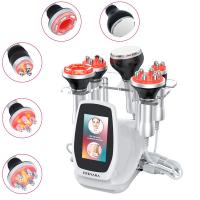
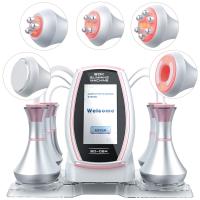
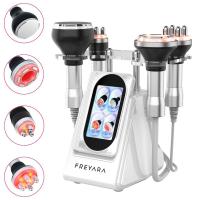
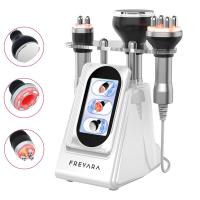
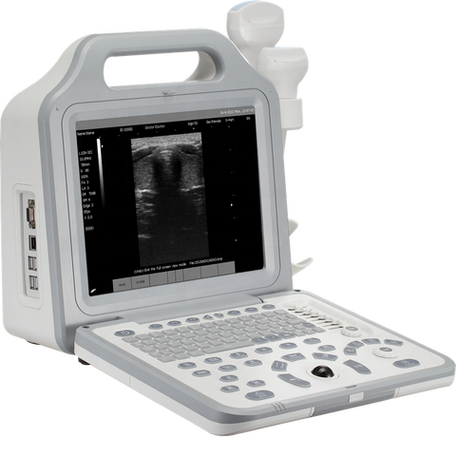
Modern ultrasound machines typically operate at frequencies between 2-18 MHz. Higher frequencies provide better resolution for superficial structures, while lower frequencies penetrate deeper tissues. The image below demonstrates different probe applications:
Industry Trends and Regional Demand
North America currently dominates the ultrasound market (38% share), while Asia-Pacific shows the fastest growth (7.8% CAGR). New FDA regulations now require enhanced cybersecurity features in all medical imaging devices.
Frequently Asked Questions
Q: Can ultrasound machines be used for musculoskeletal imaging?
A: Yes, high-frequency linear array transducers (7-15 MHz) are ideal for tendon and muscle evaluation.
For more information about our ultrasound machine models, visit our product pages or contact our medical imaging specialists today.