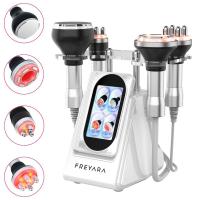
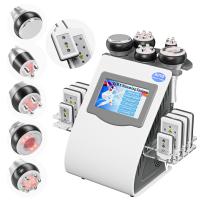
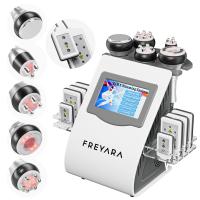
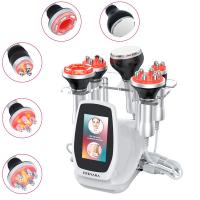
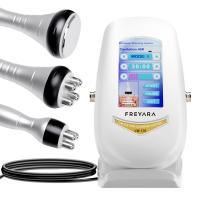
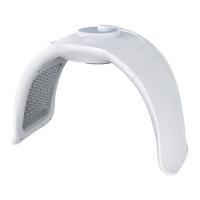
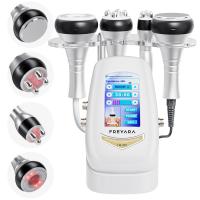
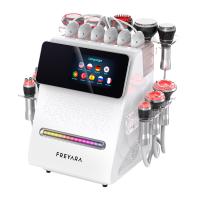
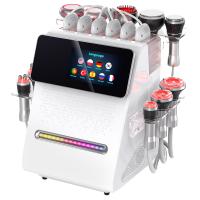
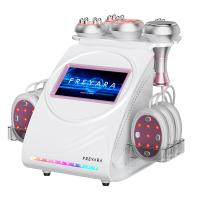
Ultrasonic Cavitation Machine: The Ultimate Guide for Smart Buyers 2024_70
Ultrasonic Cavitation Machine: The Ultimate Guide for Smart Buyers 2024
The global ultrasonic cavitation machine market is projected to reach $1.2 billion by 2027, growing at 8.3% CAGR (Grand View Research). As non-invasive body contouring gains popularity worldwide, medical spas and aesthetic clinics increasingly seek reliable suppliers. However, buyers often face challenges in verifying technical specifications, comparing genuine performance claims, and navigating complex international shipping requirements.
What Is an Ultrasonic Cavitation Machine?
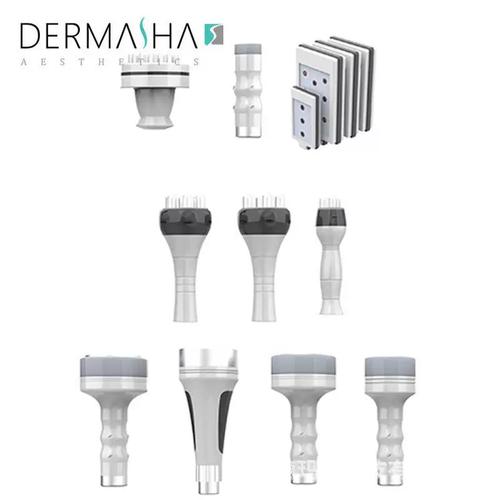
Ultrasonic cavitation machines use low-frequency sound waves (typically 20-40kHz) to disrupt fat cell membranes through a physical process called acoustic cavitation. Unlike surgical liposuction, this FDA-cleared technology provides:
- Zero downtime treatments
- Precise fat layer targeting
- No anesthesia requirements
Key technical specifications to verify:
| Parameter | Medical Grade Standard |
|---|---|
| Frequency Range | 20-40 kHz ±5% |
| Power Output | 50-200W adjustable |
Ultrasonic Cavitation vs Alternative Technologies
| Technology | Fat Reduction | Sessions Needed | Side Effects |
|---|---|---|---|
| Ultrasonic Cavitation | 2-4cm per session | 6-8 | Mild redness |
| Cryolipolysis | 1-3cm | 8-12 | Numbness |
5 Reasons Global Buyers Choose Our Machines
- 40% faster treatment time with dual-transducer technology
- CE/FDA/ISO 13485 certified for international compliance
- 3-year warranty with local service centers
Emerging Market Success Story
Brazilian clinic chain BodyPerfect increased revenue by 35% after upgrading to our 7th generation machines, achieving:
- 15% higher client retention
- 22% reduction in session duration
FAQ
What's the typical MOQ for wholesale orders?
Standard MOQ is 10 units, with volume discounts available.
Can machines be customized for 220V/110V markets?
Yes, we provide voltage adaptation and multilingual interfaces.
Download our 2024 Buyer's Guide for complete technical comparisons and supplier evaluation criteria.