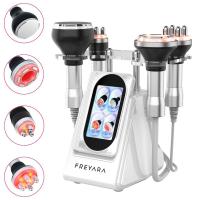
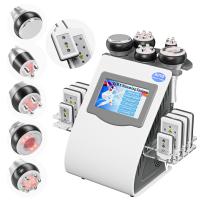
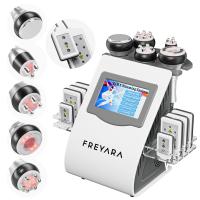
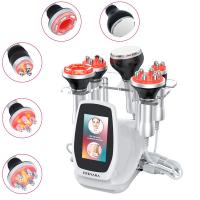
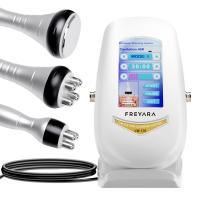
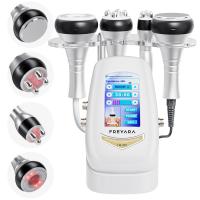
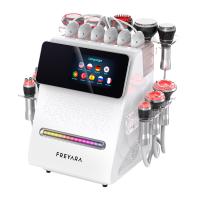
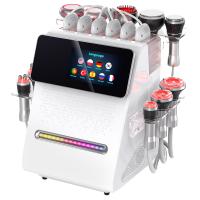
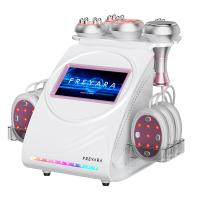
Ultrasonic Cavitation Machine: The Ultimate Guide for Smart Buyers 2023_63
Ultrasonic Cavitation Machine: The Ultimate Guide for Smart Buyers 2023
The global ultrasonic cavitation machine market is projected to reach $780 million by 2025, driven by rising demand for non-invasive body contouring solutions. As international buyers navigate this competitive landscape, understanding technical specifications, compliance standards, and supplier verification becomes critical to avoid costly procurement mistakes.
Common challenges include:
- Unclear differences between 40kHz and 30kHz models
- Varying CE/FDA certification validity
- Hidden costs in maintenance contracts
Technical Specifications and International Standards
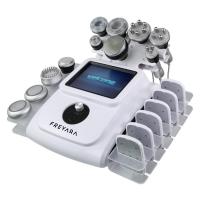
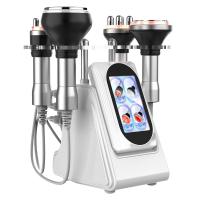
Medical-grade ultrasonic cavitation machines operate at frequencies between 30-40kHz, with 40kHz being the industry standard for optimal fat cell disruption. Key parameters include:
| Parameter | Entry-Level | Professional |
|---|---|---|
| Frequency | 30kHz | 40kHz |
| Power Output | 50W | 100-200W |
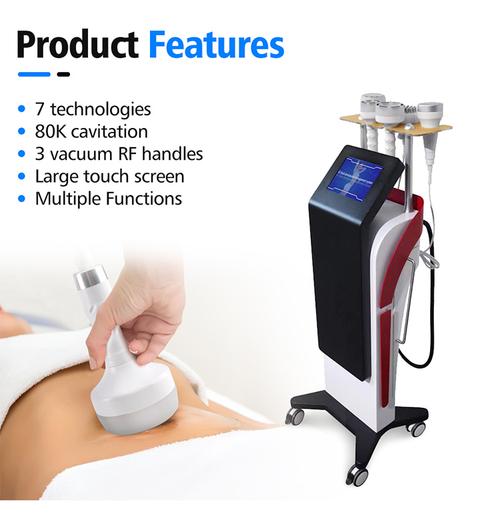
Comparative Analysis: Cavitation vs Alternative Technologies
| Technology | Fat Reduction | Downtime |
|---|---|---|
| Ultrasonic Cavitation | 2-4cm per session | None |
| Cryolipolysis | 3-5cm | 48 hours |
Certification Checklist for Buyers
- CE Mark (Class IIa medical device)
- ISO 13485:2016
- FDA 510(k) clearance (for US market)
FAQ
What's the typical MOQ for OEM orders?
Most manufacturers require 50-100 units for custom branding.
Do you provide customs clearance documentation?
Reputable suppliers include commercial invoices, packing lists, and certificates of origin.
Download our 2023 Cavitation Machine Buyer's Guide for complete technical checklists and negotiation templates.