Ultimate Guide to Professional Radio Frequency Machines for Global Trade_100
Ultimate Guide to Professional Radio Frequency Machines for Global Trade
Professional radio frequency machines are essential tools in modern international trade, enabling efficient and reliable operations across various industries. Many businesses face challenges such as uncertain procurement decisions and supply chain risks when sourcing these machines. This guide addresses these pain points by providing detailed insights and practical advice.
Definition and Technical Specifications
A professional radio frequency machine is a device that uses electromagnetic waves to generate heat for industrial applications. These machines comply with international standards like IEC 60519 and ISO 9001. Key specifications include frequency range (typically 13.56 MHz or 27.12 MHz), power output (1kW to 50kW), and safety features.
Comparison with Alternative Technologies
| Technology | Advantages | Disadvantages |
|---|---|---|
| RF Machines | High efficiency, uniform heating | Higher initial cost |
| Microwave | Fast heating | Uneven temperature distribution |
| Conventional Ovens | Low cost | Slow processing |
Benefits of Professional RF Machines
Professional radio frequency machines offer significant advantages:
- Cost Efficiency: Reduce energy consumption by up to 30% compared to traditional methods.
- Operational Speed: Decrease processing time by 50% in applications like drying and curing.
- Compliance: Meet international regulations for safety and environmental impact.
Industry Data and Trends
The global market for RF equipment is projected to grow at 6.2% CAGR from 2023 to 2028, according to Statista. Emerging markets in Southeast Asia and Latin America show increased demand, driven by manufacturing expansion.
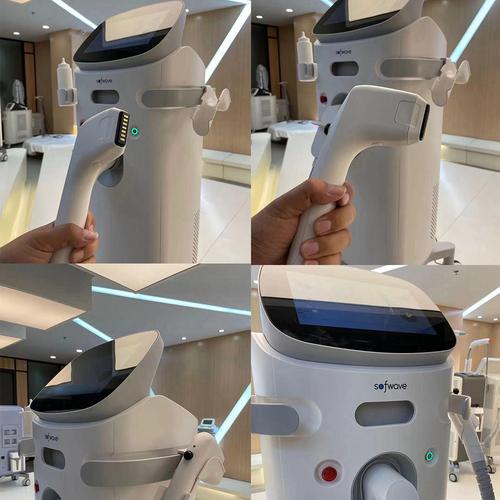
Certifications and Standards
Reputable professional radio frequency machines carry certifications such as CE, RoHS, and ISO 14001. These ensure product quality and compliance with international trade requirements.
Supplier Evaluation Checklist
When selecting a supplier, consider:
- Production capacity and lead times
- After-sales service and technical support
- Compliance with your country's import regulations
Case Study: Textile Manufacturer in Vietnam
A Vietnamese textile company faced slow drying times affecting production schedules. After implementing a professional radio frequency machine, they achieved a 40% reduction in drying time and a 25% decrease in energy costs.
Frequently Asked Questions
How can I negotiate better prices for RF machines? Request volume discounts and compare multiple suppliers. Consider long-term partnerships for favorable terms.
What is the typical minimum order quantity? MOQs vary but often start at 5 units for standard models. Custom orders may require higher quantities.
Can RF machines be customized for specific needs? Yes, many manufacturers offer customization for power settings, size, and control systems.
Do suppliers provide logistics and customs support? Reputable suppliers often assist with shipping, documentation, and customs clearance.
What quality assurance measures are in place? Look for suppliers with strict QC processes, including pre-shipment inspections and performance testing.
What payment terms ensure security? Use secure methods like letters of credit or escrow services. Avoid large upfront payments.
For more information, download our product brochure or schedule a consultation to discuss your specific needs.