Ultimate Guide to Electric Callus Remover for Feet: Sourcing, Standards, and Supplier Selection_23
Ultimate Guide to Electric Callus Remover for Feet: Sourcing, Standards, and Supplier Selection
Electric callus removers for feet have become essential in the global beauty and personal care market, driven by increasing consumer awareness of foot hygiene and aesthetics. Sourcing these devices requires careful attention to quality, compliance, and supplier reliability to avoid common pitfalls such as product defects, regulatory issues, and supply chain disruptions. This guide provides comprehensive insights to help you make informed decisions.
Definition and Technical Specifications
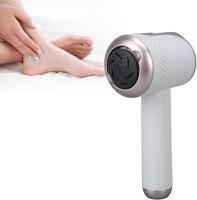
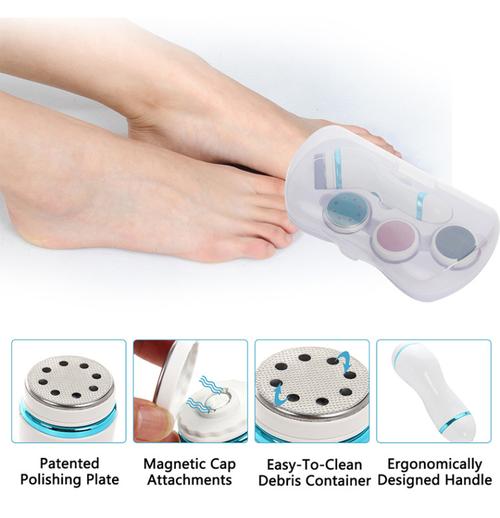
An electric callus remover is a handheld device designed to safely and effectively remove hardened skin from the feet. It typically features rotating heads or rollers made of abrasive materials like diamond or ceramic, powered by rechargeable batteries or electricity. Key technical specifications include motor speed (measured in RPM), noise level, battery life, and head durability. International standards such as IEC 60335-1 for household safety and ISO 13485 for medical devices may apply, ensuring performance and user safety.
Comparison with Alternatives
| Product Type | Advantages | Disadvantages |
|---|---|---|
| Electric Callus Remover | Precise, efficient, reusable | Higher initial cost |
| Manual Files | Low cost, simple | Time-consuming, less effective |
| Chemical Creams | Easy application | Potential skin irritation |
Benefits: Cost, Efficiency, and Compliance
Electric callus removers offer significant advantages. They reduce long-term costs through reusability, improve efficiency with faster results, and comply with global safety standards, minimizing legal risks. For businesses, this translates to higher customer satisfaction and fewer returns.
Industry Data and Trends
The global foot care market is projected to grow at a CAGR of 5.8% from 2023 to 2028, with electric devices gaining popularity due to their effectiveness. Statista reports that demand for at-home beauty tools has increased by 30% post-pandemic, highlighting opportunities for suppliers.
Certifications and Supplier Checklist
Essential certifications include CE, FDA, ISO 9001, and RoHS, ensuring product quality and safety. When evaluating suppliers, use this checklist: verify certifications, assess production capacity, review customer feedback, request samples, and confirm after-sales support.
Case Study: Success in Emerging Markets
A beauty retailer in Brazil faced challenges with unreliable manual tools. By switching to certified electric callus removers from a trusted supplier, they achieved a 40% increase in sales and a 50% reduction in customer complaints within six months.
FAQ
How can I negotiate better prices? Build long-term relationships and order in bulk for discounts.
What is the typical MOQ? MOQs range from 100 to 500 units, depending on the supplier.
Can products be customized? Yes, many suppliers offer branding and packaging customization.
Do you provide logistics support? Reputable suppliers assist with shipping and customs clearance.
How is quality ensured? Through strict QC processes and compliance with international standards.
What payment terms are available? Options include T/T, L/C, and escrow for security.
For more information, download our product catalog or schedule a consultation to discuss your needs.