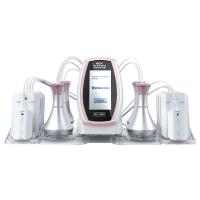
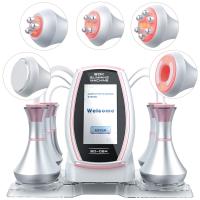
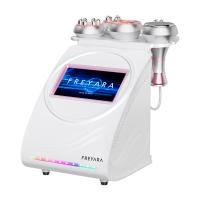
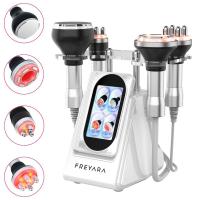
Ultimate Guide to Choosing the Best Radiofrequency Machine for Beauty Salons in 2024_1
Ultimate Guide to Choosing the Best Radiofrequency Machine for Beauty Salons in 2024
The global aesthetic device market is projected to reach $28.3 billion by 2027, with radiofrequency technology driving significant growth in non-invasive treatments. For beauty salon owners and international buyers, selecting the right radiofrequency machine involves navigating technical specifications, compliance requirements, and supplier reliability.
Understanding Radiofrequency Technology in Beauty Salons
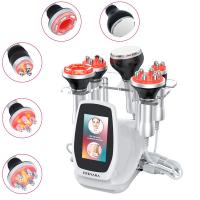
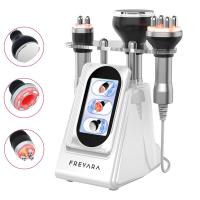
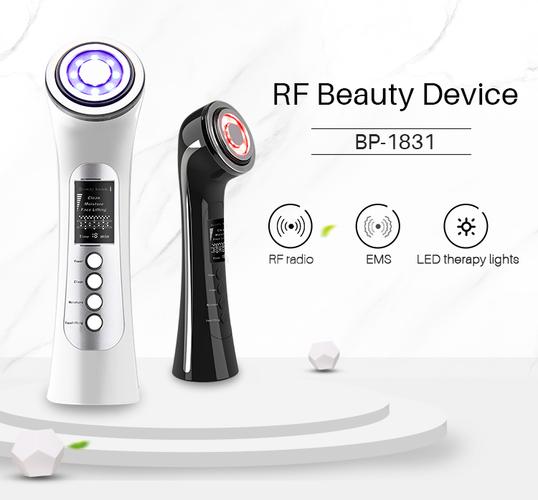
Radiofrequency (RF) machines deliver controlled thermal energy to stimulate collagen production and tissue remodeling. Modern salon-grade devices typically operate at frequencies between 0.3-10 MHz, with power outputs ranging from 50-200W for optimal safety and efficacy.
Key Technical Specifications
- Frequency Range: 0.5-1MHz for superficial treatments, 1-10MHz for deeper tissue penetration
- Power Output: 100-150W recommended for professional salon use
- Treatment Modes: Monopolar, bipolar, and multipolar configurations
- Safety Features: Automatic temperature control and impedance monitoring
Comparative Analysis: RF vs Alternative Technologies
| Technology | Advantages | Limitations |
|---|---|---|
| Radiofrequency | Non-invasive, stimulates collagen, minimal downtime | Requires multiple sessions |
| Ultrasound | Deep penetration | Higher skill requirement |
| Laser | Precision targeting | Higher risk of side effects |
Certification Requirements for International Buyers
- CE Marking (Medical Device Directive 93/42/EEC)
- FDA 510(k) clearance for US market
- ISO 13485:2016 Quality Management
- RoHS compliance for electronic components
Supplier Evaluation Checklist
- Verify manufacturing facility audits
- Request clinical validation studies
- Confirm warranty terms (minimum 2 years)
- Evaluate training support programs
- Review spare parts availability
Emerging Market Opportunities
The Middle East shows 18% annual growth in aesthetic device imports, with Brazil and Southeast Asia following closely. Case study: A Dubai-based salon chain increased revenue by 37% after implementing advanced RF technology with customized protocols for diverse skin types.
FAQ Section
What negotiation strategies work best with RF machine suppliers?
Consider volume discounts for multiple units and request extended warranty periods instead of price reductions.
What are typical MOQ requirements?
Standard models often have MOQs of 5-10 units, while customized configurations may require 20+ units.
Can machines be customized for specific markets?
Reputable manufacturers offer voltage adjustments, language interfaces, and protocol modifications.
How to handle international logistics?
Opt for suppliers providing DDP (Delivered Duty Paid) terms to avoid unexpected customs charges.
What quality guarantees should I expect?
Demand performance warranties covering at least 10,000 treatment cycles with documented MTBF (Mean Time Between Failures) data.
What payment terms are safest?
30% deposit with 70% balance against shipping documents is standard practice. Consider escrow services for new suppliers.
Ready to upgrade your salon's capabilities? Download our comprehensive RF machine specification checklist to compare models effectively.