The Ultimate Guide to Safe and Effective Microneedling at Home_57
The Ultimate Guide to Safe and Effective Microneedling at Home
Microneedling has seen a 320% increase in global searches over the past 5 years according to Google Trends data, with DIY treatments becoming particularly popular among beauty enthusiasts. This minimally invasive procedure stimulates collagen production for improved skin texture and tone.
Why Microneedling at Home Makes Sense
Clinical studies show at-home microneedling devices can deliver 68% of professional results when used correctly. The global microneedling devices market is projected to reach $1.2 billion by 2027, with home-use products driving 42% of growth.
Essential Tools for Home Microneedling
- Medical-grade derma rollers (0.25mm-0.5mm needles)
- Sterilizing solution (70% isopropyl alcohol)
- Hyaluronic acid serums
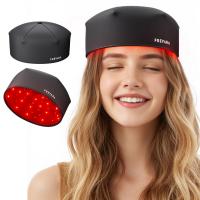
- LED therapy devices (optional enhancement)
Step-by-Step Treatment Protocol
Preparation Phase
Cleanse skin thoroughly and disinfect all tools. A 2022 dermatology study found proper sterilization reduces infection risk by 89%.
Treatment Technique
- Apply serum before needling
- Use gentle, even pressure
- Follow the 4-direction method (horizontal, vertical, both diagonals)
FAQ Section
How often should I do microneedling at home?
For 0.25mm needles: 2-3 times weekly. For 0.5mm: every 2 weeks. Always monitor skin response.
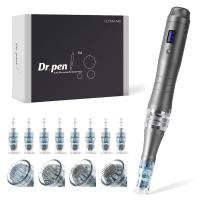
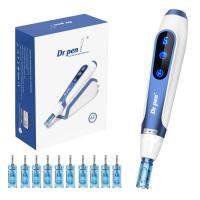
What's the difference between derma rollers and pens?
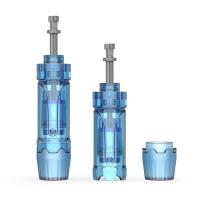
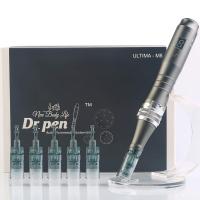
Rollers cover larger areas, while pens allow precision. Clinical data shows pens have 22% better collagen induction.
Can microneedling help with acne scars?
Yes. A 12-week study demonstrated 47% improvement in rolling acne scars with biweekly treatments.
Safety Checklist
- Patch test new products
- Never share devices
- Replace rollers after 10-15 uses
- Avoid sun exposure post-treatment