The Ultimate Guide to Safe and Effective Microneedling at Home_11
The Ultimate Guide to Safe and Effective Microneedling at Home
Introduction
Microneedling at home has become a popular skincare treatment for those looking to rejuvenate their skin without visiting a dermatologist. This minimally invasive procedure involves using tiny needles to create micro-injuries on the skin's surface, stimulating collagen production and promoting skin repair. In this guide, we will explore the benefits, techniques, and best practices for performing microneedling at home safely and effectively.
What Is Microneedling at Home?
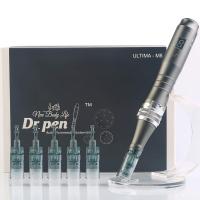
Microneedling at home, also known as collagen induction therapy, is a skincare treatment that uses a derma roller or microneedling pen to create tiny punctures in the skin. These micro-injuries trigger the body's natural healing process, leading to increased collagen and elastin production. The result is smoother, firmer, and more youthful-looking skin. While professional microneedling treatments are available, at-home versions offer a convenient and cost-effective alternative.
Benefits of Microneedling at Home
Microneedling at home offers numerous benefits, including improved skin texture, reduced fine lines and wrinkles, and diminished acne scars. The procedure also enhances the absorption of skincare products, making your serums and moisturizers more effective. Additionally, microneedling at home is a budget-friendly option compared to professional treatments, allowing you to achieve similar results without the high cost.
How to Perform Microneedling at Home Safely
To ensure safe and effective microneedling at home, follow these steps: 1) Cleanse your skin thoroughly to remove any dirt or makeup. 2) Sterilize your derma roller or microneedling pen before use. 3) Apply a numbing cream if needed for comfort. 4) Roll or stamp the device gently over your skin in different directions. 5) Apply a soothing serum or moisturizer post-treatment to aid recovery. Always avoid sun exposure and use sunscreen to protect your skin afterward.
Choosing the Right Microneedling Tools
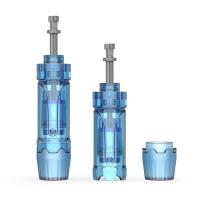
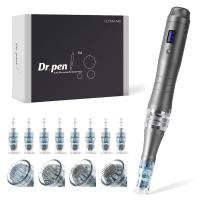
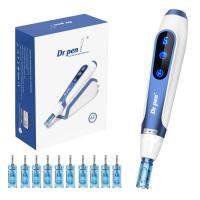
Selecting the right tools is crucial for successful microneedling at home. Look for high-quality derma rollers or pens with fine, medical-grade needles. The needle length should suit your skin concerns—shorter needles (0.25mm) for sensitive areas and longer needles (0.5mm-1.0mm) for deeper scars or wrinkles. Ensure the device is sterilizable and replace the needles or roller head regularly to maintain hygiene.
Common Questions About Microneedling at Home
1. How often should I do microneedling at home? For best results, perform microneedling every 4-6 weeks to allow your skin to heal fully.
2. Is microneedling at home painful? Mild discomfort is normal, but a numbing cream can help reduce pain.
3. Can microneedling at home cause infections? Proper sterilization and aftercare minimize infection risks.
4. What skincare products should I use after microneedling? Opt for hydrating serums and avoid active ingredients like retinoids immediately after treatment.
5. Can I use microneedling at home on all skin types? Most skin types can benefit, but consult a dermatologist if you have severe acne or sensitive skin.
Conclusion
Microneedling at home is a powerful tool for achieving radiant, youthful skin. By following proper techniques and using the right tools, you can enjoy professional-level results in the comfort of your home. Ready to start your microneedling journey? Explore our range of high-quality microneedling devices and skincare products designed to enhance your at-home treatments.