The Ultimate Guide to Light Therapy for Skin: Benefits, Types, and How It Works_34
The Ultimate Guide to Light Therapy for Skin: Benefits, Types, and How It Works
Introduction
Light therapy for skin has emerged as a revolutionary non-invasive treatment in dermatology and home skincare. Using specific wavelengths of light, this technology addresses various skin concerns from acne to aging. As scientific research continues to validate its effectiveness, light therapy devices are becoming essential tools for achieving healthy, radiant skin without harsh chemicals or invasive procedures.
What Is Light Therapy for Skin?
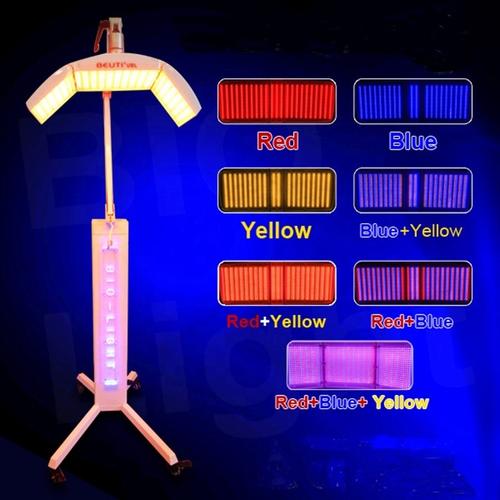
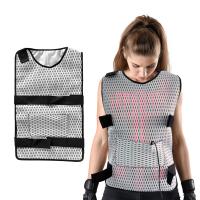
Light therapy for skin, also known as phototherapy, utilizes different colors of LED light to trigger biological processes in skin cells. Each wavelength penetrates the skin at different depths and stimulates specific responses. Red light (630-700nm) boosts collagen production, blue light (400-470nm) kills acne-causing bacteria, while near-infrared light (700-1200nm) reduces inflammation and promotes healing.
Key Benefits of Light Therapy for Skin
Clinical studies show light therapy offers multiple skin benefits: reduces acne by up to 76%, diminishes fine lines and wrinkles by stimulating collagen (increasing production by 31% in some studies), evens skin tone, accelerates wound healing, and reduces inflammation. Unlike topical treatments, light therapy works at the cellular level without causing irritation or downtime.
Types of Light Therapy Devices
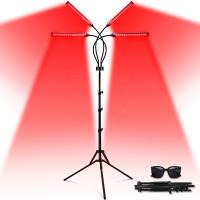
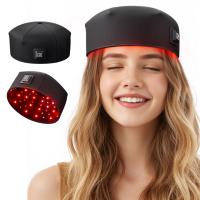
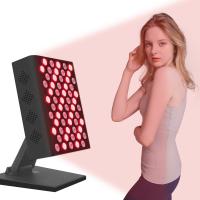
1. Red Light Devices: Best for anti-aging and skin rejuvenation
2. Blue Light Devices: Specifically target acne-causing bacteria
3. Combination Devices: Offer multiple wavelengths for comprehensive treatment
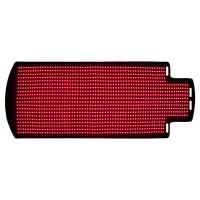
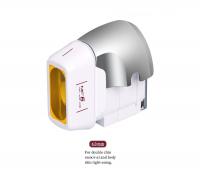
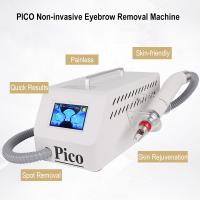
4. Professional-grade Panels: Used in dermatology clinics for maximum results
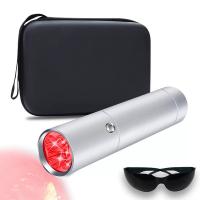
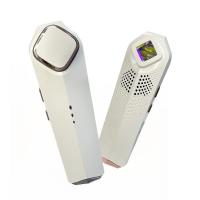
5. Handheld Home Devices: Convenient for daily skincare routines
How to Choose the Right Light Therapy Device
Consider your primary skin concerns, device wavelength options, treatment area coverage, FDA clearance, intensity (measured in mW/cm²), and treatment time requirements. Look for medical-grade LEDs rather than cheaper bulbs, and ensure the device offers clinically effective wavelengths for your specific needs.
Frequently Asked Questions
Q: How often should I use light therapy?
A: Most devices recommend 3-5 sessions weekly, with each session lasting 10-30 minutes.
Q: Are there any side effects?
A: Light therapy is generally safe, though some users report temporary dryness or redness.
Q: When will I see results?
A: Most users notice improvements within 4-6 weeks of consistent use.
Q: Can I use light therapy with other skincare products?
A: Yes, though avoid photosensitizing ingredients before treatment.
Q: Is professional treatment better than at-home devices?
A: Professional devices are more powerful, but quality home devices can deliver excellent results with consistent use.
Conclusion
Light therapy for skin offers a scientifically-backed, non-invasive solution for various dermatological concerns. Whether you're targeting acne, signs of aging, or overall skin health, incorporating light therapy into your routine can deliver visible improvements. Explore our collection of medical-grade light therapy devices to find your perfect skin solution today.