The Ultimate Guide to HIFU Technology: Benefits, Applications & Buying Tips_57
The Ultimate Guide to HIFU Technology: Benefits, Applications & Buying Tips
High-Intensity Focused Ultrasound (HIFU) has emerged as a game-changer in the global aesthetic and medical equipment industry. As international buyers seek advanced, non-invasive solutions, understanding HIFU technology becomes crucial for making informed procurement decisions. Many face challenges in evaluating technical specifications, verifying supplier credibility, and comparing cost-effectiveness against traditional treatments.
What is HIFU Technology?
HIFU utilizes focused ultrasound waves to deliver precise thermal energy to targeted tissue layers without damaging surrounding areas. The technology operates at frequencies between 1-10 MHz with penetration depths adjustable from 1.5mm to 4.5mm.
Key international standards include:
- IEC 60601-2-5 for medical ultrasound equipment
- FDA 510(k) clearance for cosmetic applications
- CE Mark Class IIa medical device certification
HIFU vs Alternative Technologies
| Technology | Advantages | Limitations |
|---|---|---|
| HIFU | Non-invasive, precise depth control, long-lasting results | Higher upfront cost |
| RF | Immediate tightening effect | Superficial treatment only |
| Laser | Good for pigmentation | Downtime required |
Key Benefits for Medical Aesthetic Clinics
- Cost-effective: 68% lower operational cost than laser systems (2023 Aesthetic Market Report)
- Efficient: 30-minute treatment sessions with immediate return to activities
- Versatile: FDA-approved for brow lifting, face tightening, and body contouring
Global Market Insights
The HIFU equipment market is projected to reach $1.2 billion by 2027 (Grand View Research), with Asia-Pacific showing 23% annual growth. Leading clinics report 89% client satisfaction rates for HIFU facelifts compared to surgical alternatives.
Supplier Evaluation Checklist
- Valid ISO 13485 certification
- Minimum 3 years manufacturing experience
- Clinical test reports from independent labs
- 2-year minimum warranty
- OEM/ODM capability verification
Frequently Asked Questions
What negotiation strategies work best for HIFU purchases?
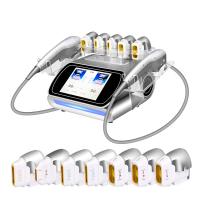
Consider volume discounts for multiple handpieces or bundled training packages. Many suppliers offer 5-15% flexibility for confirmed orders above 10 units.
What are typical MOQs for HIFU systems?
Standard MOQs range from 1-5 units for ready-made models, while customized configurations may require 10+ units.
Can I get customized handpieces for specific treatments?
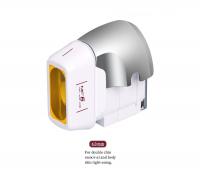
Reputable manufacturers often provide cartridge customization for different treatment areas (face/body) with minimum order quantities.
Do suppliers assist with import documentation?
Most certified exporters provide complete CE/FDA documentation packages and 60% offer DDP shipping options.
How is quality controlled during production?
Look for suppliers conducting 100% transducer testing and providing third-party performance validation reports.
What payment terms are industry-standard?
30% deposit with balance before shipment is most common, though some suppliers accept LC at sight for first-time buyers.
Ready to explore HIFU solutions for your clinic? Download our comprehensive buyer's guide with technical comparison charts and supplier evaluation templates.