The Ultimate Guide to Choosing Professional Beauty Devices for Your Business_88
The Ultimate Guide to Choosing Professional Beauty Devices for Your Business
The global beauty device market is projected to reach $85.7 billion by 2026, growing at 18.3% CAGR (Grand View Research). As international buyers navigate this booming industry, selecting the right equipment involves balancing technical specifications, compliance requirements, and supplier reliability.
Defining Professional Beauty Devices
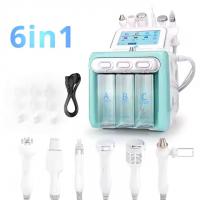
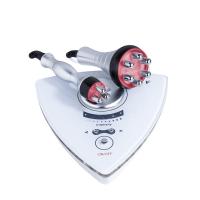
Modern beauty devices encompass electrotherapy systems, light therapy machines, microcurrent devices, and ultrasonic skin scrubbers. Key specifications buyers should verify:
- Output parameters: RF frequency (0.5-3MHz), ultrasound intensity (1-3W/cm²)
- Safety standards: IEC 60601-1 medical electrical equipment compliance
- Treatment versatility: Multi-function systems reduce equipment costs by 40% (American Spa Report)
Comparative Analysis: Beauty Devices vs Alternative Solutions
| Feature | Professional Devices | Consumer-grade Equipment |
|---|---|---|
| Treatment Depth | 3-5mm subcutaneous | 0.5-1mm surface level |
| Durability | 5,000+ treatment cycles | 300-500 cycles |
| ROI Period | 3-6 months | 12-18 months |
Cost Efficiency and Compliance Advantages
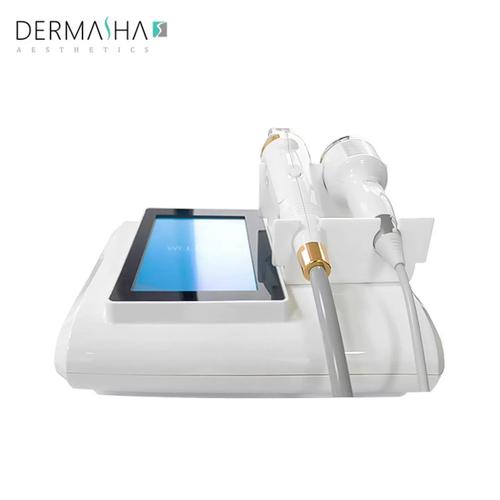
- Modular designs allow 70% component reuse during upgrades
- CE/FDA-cleared devices reduce import clearance time by 30-45 days
- Cloud-connected models enable remote diagnostics, cutting maintenance costs
Supplier Evaluation Checklist
- Valid ISO 13485 certification for medical devices
- Minimum 3 years OEM/ODM experience
- In-house R&D team with patent portfolio
- Third-party lab test reports (SGS, Intertek)
Emerging Market Success Story
A Dubai-based spa chain achieved 215% ROI within 8 months by implementing German-engineered RF devices with:
- Customizable Arabic interface
- Desert climate-optimized cooling systems
- Halal-certified consumables
FAQ Section
What negotiation strategies work best for bulk orders?
Request graduated pricing (5%/10%/15% discounts at 50/100/200 units) and value-added services like staff training.
Do suppliers accommodate small MOQs for testing?
Many manufacturers offer sample orders of 3-5 units, though with 30-50% price premiums.
Can devices be customized for different voltage requirements?
Reputable suppliers provide multi-voltage (100-240V) models or regional-specific configurations.
How are customs duties calculated for beauty devices?
HS codes 9019.20 typically incur 4-8% tariffs, with medical-grade devices sometimes qualifying for exemptions.
What warranty periods are industry-standard?
Look for 2-year comprehensive warranties covering parts and labor, with 5-year support for critical components.
Which payment terms balance risk for new buyers?
30% deposit with 70% against BL copy is common, with LC options for orders exceeding $50,000.
Download our Beauty Device Procurement Handbook for complete technical specifications and supplier scorecards.
-200x200.jpg "The Ultimate Guide to Choosing the Best Large Magnifying Mirror for Your Business_34")