RF Signal Generators: Essential Tools for Wireless Testing and Development_34
RF Signal Generators: Essential Tools for Wireless Testing and Development
Introduction
RF signal generators are indispensable tools in the field of wireless communication and testing. They play a crucial role in generating radio frequency signals for various applications, from research and development to quality assurance. This article explores the importance, types, and applications of RF signal generators, helping you understand their value in modern technology.
What is an RF Signal Generator?
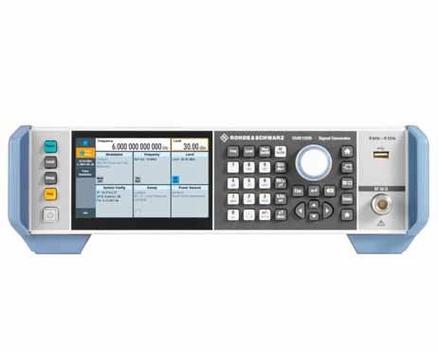
An RF signal generator is a device that produces radio frequency signals for testing and development purposes. These signals are used to simulate real-world conditions, ensuring that wireless devices perform as expected. RF signal generators are essential for engineers and technicians working in telecommunications, aerospace, and other industries that rely on wireless communication.
Importance of RF Signal Generators
RF signal generators are vital for ensuring the accuracy and reliability of wireless devices. They help in testing the performance of antennas, receivers, and other RF components. By providing precise and controllable signals, these generators enable engineers to identify and rectify issues before the final product reaches the market.
Applications of RF Signal Generators
RF signal generators are used in a wide range of applications, including cellular network testing, satellite communication, and radar systems. They are also employed in research labs for developing new wireless technologies. Their versatility makes them a must-have tool for any organization involved in RF and wireless communication.
Types of RF Signal Generators
There are several types of RF signal generators, including analog, vector, and synthesized signal generators. Each type has its own advantages and is suited for specific applications. For instance, vector signal generators are ideal for testing modern digital communication systems, while analog generators are better suited for traditional RF testing.
Choosing the Right RF Signal Generator
When selecting an RF signal generator, consider factors such as frequency range, output power, and modulation capabilities. It's also important to choose a generator that meets the specific requirements of your application. Our company offers a range of high-quality RF signal generators designed to meet the needs of various industries.
FAQs
Q: What is the frequency range of an RF signal generator?
A: The frequency range varies depending on the model, but most generators cover from a few kHz to several GHz.
Q: Can RF signal generators simulate real-world conditions?
A: Yes, advanced models can simulate various environmental conditions to test device performance.
Q: What industries use RF signal generators?
A: Telecommunications, aerospace, defense, and research labs are some of the key industries.
Conclusion
RF signal generators are essential tools for anyone involved in wireless communication and testing. By understanding their importance, applications, and types, you can make an informed decision when purchasing one. Explore our range of RF signal generators to find the perfect solution for your needs.