RF Signal Generator: How to Choose the Best RF Signal Generator for Your Needs_71
An RF signal generator is an essential tool for testing and troubleshooting RF circuits, components, and systems. It produces radio frequency signals with precise control over frequency, amplitude, and modulation, making it indispensable in telecommunications, aerospace, and electronics industries.
1. RF signal generator types2. best RF signal generator
3. RF signal generator applications
4. RF signal generator features
1. RF signal generator types
RF signal generators come in various types, each designed for specific applications. The most common types include analog, vector, and synthesized signal generators. Analog signal generators are ideal for basic RF testing, offering simplicity and cost-effectiveness. Vector signal generators, on the other hand, provide advanced modulation capabilities, making them suitable for modern wireless communication systems. Synthesized signal generators offer high frequency stability and precision, often used in research and development. Understanding the differences between these types is crucial for selecting the right generator for your needs. Additionally, some generators combine features of multiple types, offering versatility for complex testing scenarios.
2. best RF signal generator
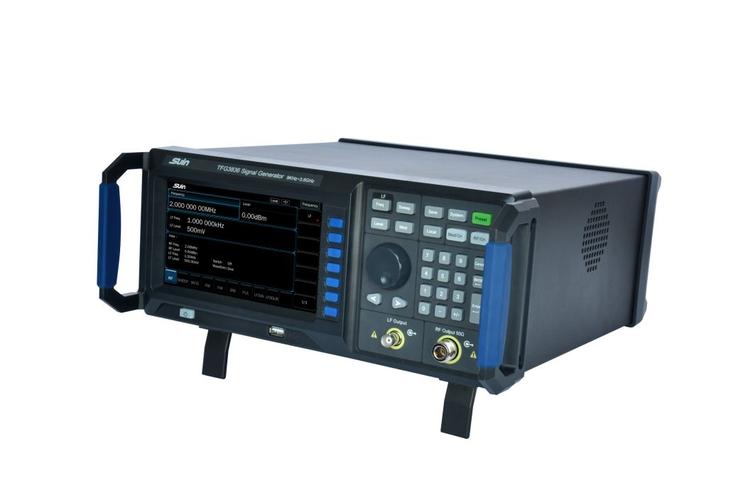
Choosing the best RF signal generator depends on your specific requirements, such as frequency range, output power, and modulation capabilities. Top brands like Keysight, Rohde & Schwarz, and Tektronix offer high-quality generators with advanced features. For general-purpose testing, a mid-range generator with a frequency range of 9 kHz to 6 GHz may suffice. However, for specialized applications like 5G testing or satellite communications, you may need a generator with higher frequency ranges and advanced modulation options. Consider factors like phase noise, harmonic distortion, and ease of use when evaluating different models. Reading reviews and consulting experts can also help you make an informed decision.
3. RF signal generator applications
RF signal generators are used in a wide range of applications, from telecommunications to aerospace. In the telecom industry, they are essential for testing and calibrating wireless devices, ensuring compliance with standards like LTE and 5G. In aerospace, RF generators simulate signals for radar and satellite systems, helping engineers validate performance under various conditions. Other applications include medical device testing, automotive radar systems, and military communications. The versatility of RF signal generators makes them a valuable tool in any industry that relies on RF technology. Understanding these applications can help you identify the right generator for your specific needs.
4. RF signal generator features
Modern RF signal generators come with a host of features designed to enhance performance and usability. Key features include frequency agility, which allows rapid switching between frequencies, and high output power for testing sensitive components. Advanced modulation capabilities, such as AM, FM, and PM, are essential for simulating real-world signals. Many generators also offer built-in signal analysis tools, reducing the need for additional equipment. User-friendly interfaces, remote control options, and robust construction are other important considerations. Evaluating these features can help you choose a generator that meets your technical requirements while offering ease of use and reliability.
RF signal generators are versatile tools with applications across multiple industries. Whether you need a basic analog generator for simple testing or a high-end vector generator for advanced communications, understanding the types, features, and applications is key to making the right choice. By considering factors like frequency range, modulation capabilities, and brand reputation, you can find the best RF signal generator for your needs. Explore our detailed guides on each type and application to make an informed decision and optimize your RF testing processes.
In conclusion, RF signal generators are indispensable tools for anyone working with RF technology. From selecting the right type to understanding key features and applications, this guide provides all the information you need to make an informed decision. Whether you're in telecommunications, aerospace, or electronics, the right RF signal generator can significantly enhance your testing and troubleshooting capabilities.