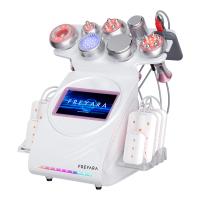
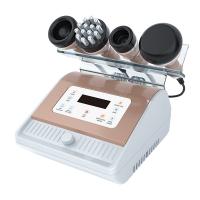
RF Machine for Face Ultimate Guide 2024: How to Choose Quality RF Facial Equipment_71
The Complete Guide to RF Machines for Facial Rejuvenation: 2024 Edition
The global radio frequency skin tightening market is projected to reach $1.2 billion by 2027, growing at a CAGR of 8.9%. As consumers increasingly seek non-invasive cosmetic solutions, RF machines for face treatments have become the go-to technology for dermatologists and aesthetic clinics worldwide. This comprehensive guide will help you navigate the complex landscape of RF facial equipment, whether you're a professional seeking clinic-grade devices or a consumer looking for effective home treatments.
RF Machine Buying Guide: Professional vs Home Use
Choosing the right RF machine requires understanding your specific needs and budget constraints. Professional-grade devices typically operate at higher frequencies (up to 6 MHz) compared to home devices (usually 1-2 MHz). The key difference lies in penetration depth and treatment intensity.
| Feature | Professional RF Machine | Home RF Device |
|---|---|---|
| Frequency Range | 3-6 MHz | 1-2 MHz |
| Treatment Depth | Up to 4.5mm | 1.5-2.5mm |
| Session Duration | 30-60 minutes | 5-15 minutes |
| Results Timeline | Immediate improvement | 4-8 weeks consistent use |
7 Must-Check Features When Buying RF Facial Equipment
1. Multi-frequency technology allows adjustable penetration depths
2. Temperature monitoring prevents skin damage
3. FDA clearance or CE certification ensures safety standards
4. Ergonomically designed handpieces for precise application
5. Automatic shut-off feature for safety
6. Adjustable energy levels for different skin types
7. Quality customer support and warranty coverage
Technical Specifications Explained
Understanding RF machine specifications is crucial for making informed decisions. The core technology involves electromagnetic waves that heat the dermal layer, stimulating collagen production. Most effective devices operate between 0.5-6 MHz, with higher frequencies providing more superficial heating and lower frequencies reaching deeper tissue layers.
Modern RF machines incorporate temperature sensors that maintain optimal heating between 40-45°C, the ideal range for collagen denaturation without causing tissue damage. Advanced systems now include impedance monitoring that adjusts energy delivery based on skin resistance, ensuring consistent results across different skin types.
Industry Trends and Market Analysis
The RF beauty device market shows strongest growth in North America (38% market share) followed by Europe (29%) and Asia-Pacific (26%). According to recent data from Statista, professional aesthetic device purchases increased by 23% in 2023, with RF machines leading category growth.
Environmental compliance has become increasingly important, with new EU regulations requiring energy-efficient designs and recyclable materials. Leading manufacturers now prioritize RoHS compliance and reduced power consumption without compromising treatment efficacy.
Frequently Asked Questions
Can RF machines be used on sensitive skin? Yes, modern RF devices include adjustable settings suitable for sensitive skin. Always perform a patch test and start with lower energy levels.
What certifications should I look for? FDA clearance, CE marking, and ISO 13485 certification indicate medical-grade quality and safety standards.
Are there import restrictions? Most countries classify RF machines as medical devices, requiring proper documentation and sometimes special import licenses. Check local regulations before purchasing internationally.