RF Field Strength Meter Ultimate Guide 2024: How to Choose the Best EMF Detector_95
The Complete Guide to RF Field Strength Meters in 2024
The global RF testing equipment market is projected to reach $4.2 billion by 2027, growing at 6.8% CAGR according to MarketsandMarkets research. With increasing electromagnetic pollution concerns and 5G network deployments, professionals across industries need reliable RF field strength meters more than ever. This comprehensive guide will help you navigate the technical specifications, industry applications, and purchasing considerations for these critical measurement devices.
RF Field Strength Meter Buying Guide: 7 Key Considerations
When selecting an RF field strength meter, consider these essential factors:
| Feature | Basic Models | Professional Grade |
|---|---|---|
| Frequency Range | 50MHz-3GHz | 9kHz-8GHz |
| Accuracy | ±3dB | ±1dB |
| Antenna Type | Fixed dipole | Interchangeable |
7 Must-Check Features for Industrial RF Analyzers
- Frequency range covering your target signals
- Measurement accuracy within ±2dB
- Peak hold and averaging functions
- Data logging capabilities
- Battery life exceeding 8 hours
- IP54 or better protection rating
- Compliance with latest IEC standards
Technical Deep Dive: How RF Meters Work
Modern RF field strength meters convert electromagnetic waves into measurable voltage through calibrated antennas. The key components include:
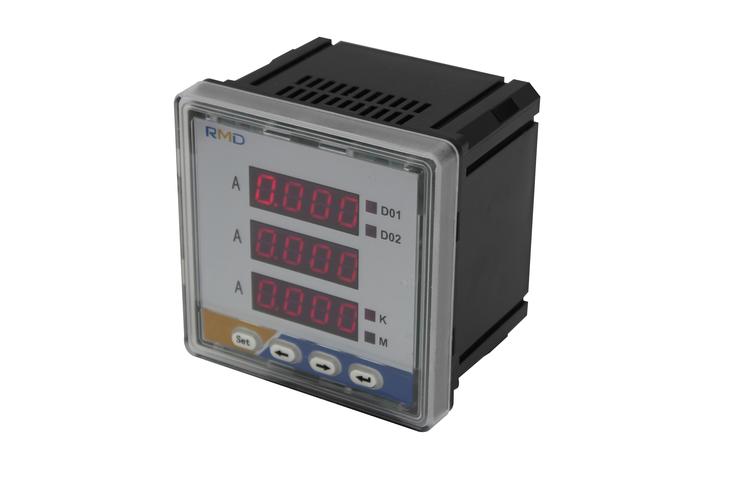
For accurate measurements, always consider the antenna factor and cable losses. Professional models like the Wavecontrol SMP2 automatically compensate for these variables.
Regional Market Trends
North America dominates RF testing equipment demand (38% market share), while Asia-Pacific shows fastest growth (9.2% CAGR). European buyers prioritize CE-compliant meters with RoHS certification.
Frequently Asked Questions
Q: Can I use consumer-grade meters for 5G network testing?
A: No, 5G FR2 frequencies (24-52GHz) require specialized millimeter-wave analyzers.
Q: What certifications should industrial RF meters have?
A: Look for IEC 61000-4-3 compliance and FCC Part 15 subpart B certification.
Q: How to clear customs for RF test equipment?
A: Provide FCC ID, CE declaration, and HS code 9030.82.0000 for smooth clearance.