RF Facial Machine Ultimate Guide 2024: How to Choose the Best Professional Device_56
RF Facial Machine Ultimate Guide 2024: How to Choose the Best Professional Device
The global aesthetic device market is projected to reach $28.3 billion by 2027, with radio frequency technology driving significant growth. RF facial machines have revolutionized non-invasive skincare treatments, offering solutions for wrinkles, sagging skin, and texture improvement. This comprehensive guide addresses the critical challenge of selecting the right RF equipment amidst overwhelming market options while ensuring optimal return on investment.
Comprehensive Buying Guide for RF Facial Machines
Understanding the fundamental differences between RF machine types is crucial for making informed purchasing decisions. Professional-grade machines typically operate at higher frequencies (1-6 MHz) compared to home-use devices (0.3-1 MHz), delivering more significant and lasting results.
| Feature | Professional RF Machine | Home Use Device |
|---|---|---|
| Power Output | 100-300 Watts | 15-50 Watts |
| Treatment Depth | Up to 4mm subcutaneous | 1-2mm epidermal |
| Results Duration | 6-12 months | 2-4 weeks |
| Ideal Users | Clinics, spas, dermatologists | Personal skincare enthusiasts |
7 Essential Features to Verify Before Purchase
1. Multi-frequency capability (0.5-3 MHz range) ensures adaptability to different skin types and treatment areas. 2. Temperature monitoring system prevents skin burns and ensures safety. 3. FDA clearance or CE certification validates medical-grade standards. 4. Adjustable electrode tips for various treatment areas. 5. Real-time impedance monitoring for consistent energy delivery. 6. Training and technical support availability. 7. Warranty coverage of at least 2 years.
Technical Specifications Demystified
RF technology works by delivering controlled thermal energy to the dermal layers, stimulating collagen production and tissue tightening. The optimal frequency range for facial treatments is 1-2 MHz, balancing penetration depth and patient comfort. Modern systems incorporate bipolar or multipolar configurations for more uniform energy distribution.
Manufacturing standards require compliance with ISO 13485 for medical devices and IEC 60601-1 for electrical safety. Reputable manufacturers provide detailed technical documentation and clinical study results validating their efficacy claims.
Industry Trends and Market Analysis
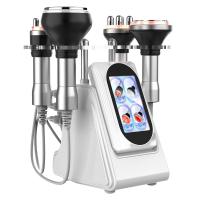
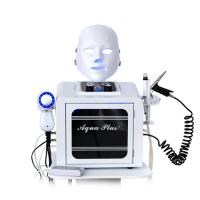
The aesthetic device market shows 12.4% annual growth in North America, with particular demand for combination devices integrating RF with ultrasound or LED technologies. European markets prioritize devices with full CE marking and MDR compliance, while Southeast Asian markets show increasing preference for portable, multi-function systems.
Environmental regulations now require RoHS compliance and energy-efficient designs, with leading manufacturers implementing recycling programs for handpieces and consumables.
Frequently Asked Questions
Can RF machines treat all skin types? Modern RF systems with adjustable parameters can safely treat Fitzpatrick skin types I-V, though specific protocols may vary.
What certifications are mandatory? FDA clearance for US markets, CE marking for Europe, and NMPA approval for China represent key regulatory requirements.
How does customs clearance work? Medical devices typically require import licenses, quality certificates, and sometimes sample testing depending on destination country regulations.