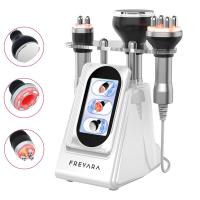
RF facial machine: The Ultimate Guide to Sourcing and Benefits_97
RF Facial Machine: The Ultimate Guide to Sourcing and Benefits
RF facial machines have become essential tools in the global beauty and aesthetics market. These devices offer non-invasive solutions for skin tightening, wrinkle reduction, and collagen stimulation. However, international buyers often face challenges in identifying reliable suppliers, ensuring product quality, and navigating complex logistics. This guide addresses these concerns with actionable insights and professional advice.
Understanding RF Facial Machine Technology
Radio Frequency (RF) facial machines use electromagnetic energy to heat the deeper layers of the skin. This process stimulates collagen production and promotes skin rejuvenation. Key technical specifications include frequency range (typically 0.5-2 MHz), power output, and safety features. International standards such as IEC 60601-2-2 ensure device safety and performance consistency.
Comparison with Alternative Skin Treatments
| Treatment Type | Pros | Cons |
|---|---|---|
| RF Facial Machine | Non-invasive, no downtime, long-lasting results | Requires multiple sessions |
| Laser Therapy | Precise targeting | Higher cost, potential side effects |
| Chemical Peels | Quick procedure | Skin sensitivity, recovery time |
Advantages of RF Facial Machines
Cost Efficiency: RF devices offer a lower total cost of ownership compared to invasive procedures. Operational Benefits: These machines are user-friendly and require minimal training. Compliance: Adherence to CE and ISO 13485 standards ensures global market acceptance.
Industry Data and Market Trends
The global market for aesthetic devices is projected to reach $25 billion by 2027, with RF technology capturing a significant share. Emerging markets in Asia and Latin America show a 15% annual growth in demand for non-invasive beauty equipment.
Certifications and Quality Assurance
Reputable RF facial machine suppliers hold certifications such as ISO 9001, CE, and FDA approval. These credentials validate product safety and manufacturing quality. Always verify certifications through official databases before purchasing.
Supplier Evaluation Checklist
Use this checklist to assess potential suppliers: 1. Verify business license and export experience. 2. Request product samples and test reports. 3. Check customer reviews and case studies. 4. Confirm after-sales service and warranty terms. 5. Evaluate production capacity and lead times.
Case Study: Success in the European Market
A beauty clinic in Germany sought to expand its service offerings with non-invasive treatments. After sourcing RF facial machines from a certified Asian supplier, the clinic reported a 40% increase in client bookings within six months. The equipment’s reliability and ease of use contributed to higher customer satisfaction.

Frequently Asked Questions
How can I negotiate better prices for bulk orders? Discuss volume discounts and long-term partnership benefits with suppliers. What is the typical minimum order quantity (MOQ)? MOQs vary but often start at 10-50 units for standard models. Can RF facial machines be customized? Yes, many suppliers offer branding and feature modifications. Do suppliers provide logistics support? Reliable partners assist with shipping, insurance, and customs clearance. What quality guarantees are available? Look for warranties covering parts and workmanship for at least one year. What payment terms are secure? Use escrow services or letters of credit to protect transactions.
Ready to enhance your beauty business? Download our product catalog or schedule a consultation with our experts today.