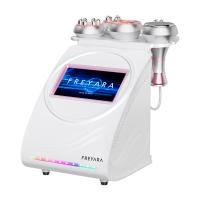
RF Anti Aging Machine Ultimate Guide 2024: How to Choose Quality Radio Frequency Skin Tightening Equipment_0
RF Anti Aging Machine: The Complete 2024 Buyer's Guide
The global radio frequency skin care device market is projected to reach $1.8 billion by 2027, growing at 8.9% CAGR according to Grand View Research. As consumers increasingly seek non-invasive alternatives to surgical facelifts, RF anti aging machines have emerged as the leading solution for collagen stimulation and skin tightening. This comprehensive guide examines everything from technical specifications to procurement strategies for beauty professionals and distributors.
RF Anti Aging Machine Procurement Guide: 7 Critical Factors
Selecting the right RF equipment requires careful evaluation of multiple parameters. The table below compares professional versus home use devices across key dimensions:
| Feature | Professional Grade | Home Use |
|---|---|---|
| Power Output | 5-50W adjustable | 1-5W fixed |
| Frequency Range | 0.5-2.5MHz | 0.3-1MHz |
| Treatment Depth | Up to 4.5mm | 1.5-2.5mm |
| Safety Certifications | FDA, CE, ISO 13485 | CE, RoHS |
| Warranty Period | 2-5 years | 1 year |
The essential checklist for evaluating RF anti aging machines includes seven validation points: multi-frequency capability, temperature monitoring, automatic impedance adjustment, ergonomic handpiece design, after-sales service network, clinical study documentation, and compatibility with various treatment tips. Leading manufacturer Cynosure solved precision control challenges by implementing real-time thermal feedback sensors that maintain optimal 42-45°C dermal temperature.
Technical Specifications Demystified
Understanding RF technology parameters ensures informed purchasing decisions. The following diagram illustrates how different frequencies penetrate skin layers:
[Technical diagram showing 0.3MHz reaching subcutaneous tissue, 1MHz targeting deep dermis, 2MHz treating mid-dermis, and 4MHz affecting epidermis]
For optimal facial tightening results, professionals should select machines offering 1-2MHz range with power adjustable between 10-30W. The electrode configuration significantly impacts treatment efficacy - bipolar designs provide superficial heating ideal for fine lines, while monopolar systems deliver deeper collagen remodeling. Reputable manufacturers adhere to IEC 60601 medical electrical equipment standards and provide third-party clinical validation documents.
Industry Trends and Market Analysis
Statista reports 34% growth in professional aesthetic device imports across European markets during 2023, with Germany and France leading adoption. Southeast Asian markets show particular preference for multi-function platforms combining RF with LED therapy and ultrasonic functions. Environmental compliance now requires RoHS certification and REACH compliance for all devices entering EU markets. North American distributors should prioritize FDA-cleared equipment with UL certification for insurance compliance.
Frequently Asked Questions
Are RF machines safe for all skin types? Modern impedance-matching technology makes RF treatment suitable for Fitzpatrick skin types I-VI, though darker skin requires careful temperature monitoring.
What certifications are mandatory? CE marking is essential for European distribution, while FDA 510(k) clearance strengthens US market credibility. ISO 13485 certification indicates quality management system compliance.
How to handle customs clearance? Classify under HS code 901890 for medical devices. Provide declaration of conformity, technical documentation, and import licenses where applicable.
For specific product recommendations, explore our professional RF devices category or compare home use models in our consumer section. Additional technical resources available include clinical study summaries and manufacturer compliance documentation.