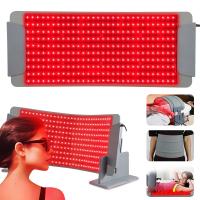
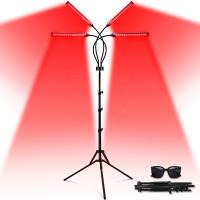
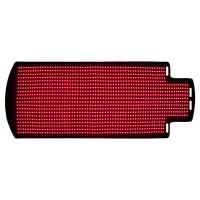
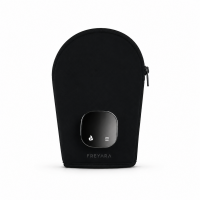
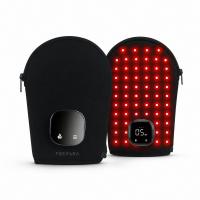
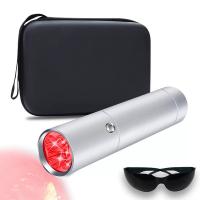
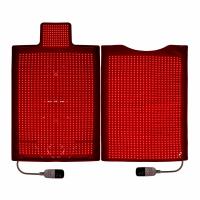
Red Light Therapy for Hands and Feet: 2024 Buyer's Guide & Pain Relief Solutions_78
Red Light Therapy for Hands and Feet: The Complete 2024 Guide
The global red light therapy market is projected to reach $1.3 billion by 2027, with hand and foot treatments gaining particular popularity among arthritis sufferers and athletes. Over 54 million adults in the US alone experience joint pain that could benefit from this non-invasive treatment.
Why Consider Red Light Therapy for Extremities?
Hands and feet contain some of the body's smallest joints and thinnest skin, making them particularly responsive to light therapy. Clinical studies show 660nm red light and 850nm near-infrared wavelengths penetrate 5-10mm deep, stimulating cellular energy production and reducing inflammation.
The Ultimate Buying Checklist
When evaluating red light therapy devices for hands and feet, consider these 7 critical factors:
- Wavelength accuracy (630-850nm optimal range)
- FDA-cleared vs FDA-approved status
- Treatment area coverage (full hand/foot vs spot treatment)
- Pulsed vs continuous wave technology
- Ergonomic design for daily use
- Clinical study references
- Warranty and return policy
Technical Specifications Decoded
| Parameter | Ideal Range |
|---|---|
| Wavelength | 630-850nm |
| Power Density | 50-200mW/cm² |
| Treatment Time | 5-15 minutes/session |
2024 Market Trends
European markets show 42% year-over-year growth in wearable red light devices, while North American consumers prioritize clinical validation. New FDA guidelines expected in Q3 2024 may impact import requirements for medical-grade devices.
Frequently Asked Questions
How often should I use red light therapy for arthritis?
Most studies recommend 3-5 sessions weekly for chronic conditions, with visible improvement typically appearing after 4-6 weeks of consistent use.
Are there any side effects?
When used properly, red light therapy has no known side effects. Some users report temporary warmth or tingling during treatment.