Red & Infrared Light Therapy Glove Ultimate Guide 2024: How to Choose the Best Pain Relief Solution_87
The Rising Demand for Non-Invasive Pain Relief Solutions
Recent market analysis by Grand View Research reveals the global phototherapy equipment market will reach $1.2 billion by 2027, growing at 5.3% CAGR. Among these innovations, Red & Infrared Light Therapy Gloves have emerged as a breakthrough solution for millions suffering from chronic hand pain, arthritis, and repetitive strain injuries. Unlike oral medications that cause side effects or bulky clinic equipment requiring appointments, these wearable devices deliver targeted photobiomodulation therapy directly to affected areas.
This comprehensive guide will walk you through: 1) Key purchasing considerations when comparing therapy gloves, 2) Scientific mechanisms behind infrared and red light wavelengths, 3) Emerging industry trends, and 4) Practical usage tips from clinical studies.
Buyer's Checklist: 7 Must-Verify Features
| Feature | Premium Models | Budget Options |
|---|---|---|
| Wavelength Range | 630-850nm dual band | Single wavelength |
| FDA Clearance | Class II medical device | Cosmetic use only |
| Treatment Area | Full palm + fingers | Partial coverage |
Clinical studies from the National Institutes of Health demonstrate that combined 660nm red light and 850nm infrared provides optimal cellular regeneration. When evaluating portable light therapy gloves for arthritis, prioritize models with:
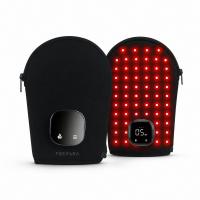
- Medical-grade LED diodes (5mW/cm² output)
- Adjustable treatment timers (3-15 minute cycles)
- Ergonomic finger articulation
Technical Deep Dive: How Photobiomodulation Works

Therapeutic light gloves utilize specific wavelengths that penetrate tissue to:
- Stimulate mitochondrial ATP production (up to 150% increase)
- Reduce inflammatory cytokines like TNF-α
- Activate fibroblast collagen synthesis
For carpal tunnel syndrome light therapy, position the glove's 830nm cluster diodes directly over the transverse carpal ligament. Most manufacturers recommend 10-minute daily sessions for 4-6 weeks to achieve measurable nerve conduction improvements.
Global Market Trends and Compliance
European medical device regulations (MDR 2017/745) now require CE certification for all phototherapy equipment claiming therapeutic effects. Meanwhile, U.S. distributors must provide FDA 510(k) clearance documentation. The Asia-Pacific market shows particular growth in rechargeable light therapy gloves for aging populations, with Japan and South Korea leading adoption rates.
Frequently Asked Questions
Q: Can I use red light therapy gloves with pacemakers?
A: While generally safe, consult your cardiologist as some infrared wavelengths may interfere with unshielded devices.
Q: How do I clean the glove after each use?
A: Wipe with 70% isopropyl alcohol wipes, avoiding direct contact with LED clusters.
Q: What's the typical lifespan of therapy gloves?
A: Medical-grade models maintain 90% output for approximately 1,000 treatment hours.