Professional Skin Scrubber Ultimate Guide 2024: How to Choose Quality Skincare Devices_74
The Ultimate Guide to Professional Skin Scrubbers: 2024 Edition
The global skincare devices market is projected to reach $28.5 billion by 2027, growing at a CAGR of 11.8%. Professional skin scrubbers have emerged as essential tools in both clinical and home skincare routines. Many consumers struggle with identifying genuine professional-grade devices amidst countless inferior products flooding the market. This comprehensive guide will help you navigate the complexities of professional skin scrubbers, from technical specifications to purchasing considerations and industry trends.
Comprehensive Buying Guide
When comparing professional skin scrubbers to alternative skincare devices, several key differences emerge. Traditional manual scrubbers require physical abrasion that can damage sensitive skin, while professional ultrasonic devices use gentle vibrations to deep clean without irritation. Microdermabrasion machines offer similar exfoliation benefits but typically cost 3-5 times more than quality skin scrubbers. Chemical peels provide another alternative but lack the physical extraction capabilities of skin scrubbers.
Our 7-point checklist for evaluating professional skin scrubbers includes: ultrasonic frequency range (should be 25-35kHz for optimal results), waterproof rating (IPX7 or higher recommended), multiple attachment heads, adjustable intensity levels, FDA clearance, warranty duration, and manufacturer reputation. Brands like Trophy Skin have addressed sensitivity concerns by developing temperature-controlled scrubbers that prevent skin irritation while maintaining effective cleaning power.
Technical Specifications Explained
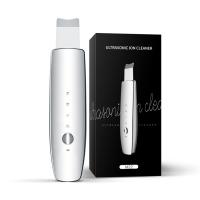
Professional skin scrubbers operate using ultrasonic vibration technology that creates microscopic bubbles in the skin's surface. These bubbles implode, gently removing dead skin cells, blackheads, and impurities without damaging living tissue. The optimal frequency range for skin scrubbers is 25-35kHz, which provides effective cleaning while remaining comfortable for users. Higher frequencies may be less effective, while lower frequencies could cause discomfort.
Manufacturers must meet specific standards including ISO 13485 certification for medical devices, FDA clearance for skincare equipment, and CE marking for European markets. Proper electrical safety certifications (UL, ETL) are equally important for devices that contact skin and use electrical power. Reputable manufacturers provide detailed technical specifications including voltage requirements, battery life, and material composition.
Industry Trends and Market Analysis
The professional skincare device market shows strong growth across all regions. North America leads in adoption rates with 38% market share, followed by Europe at 31% and Asia-Pacific rapidly expanding at 28% annual growth. Southeast Asian markets particularly show increased demand for affordable professional-grade devices as home skincare routines become more sophisticated.
Environmental regulations now require RoHS compliance for electronic components and REACH compliance for materials contacting skin. Many manufacturers are moving toward recyclable packaging and reduced plastic usage. The European Union's new eco-design requirements mandate energy-efficient operation and repairability standards for skincare devices starting 2024.
Frequently Asked Questions
Professional skin scrubbers are suitable for most skin types including sensitive skin when used properly. Those with active skin infections, open wounds, or certain medical conditions should consult dermatologists before use. Most professional devices work effectively on face, neck, and décolletage areas.
Required certifications vary by market but typically include FDA clearance, CE marking, and RoHS compliance. Medical-grade devices may require additional certifications depending on their classification. Always verify certifications with regulatory databases rather than relying solely on manufacturer claims.
Importing professional skin scrubbers requires proper HS code classification (usually 8516.79.00 for electro-therapeutic apparatus). Most countries impose import duties ranging from 3-8% of product value. Required documentation typically includes commercial invoice, packing list, certificate of origin, and relevant safety certifications. Some markets require additional testing upon arrival.