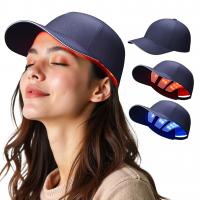
Professional RF Machine Ultimate Guide 2024: How to Choose Quality RF Equipment_35
Professional RF Machine Market Overview 2024
The global RF equipment market is projected to reach $12.8 billion by 2027, growing at 7.2% CAGR according to MarketsandMarkets research. Professional RF machines have become essential across multiple industries, from medical aesthetics to industrial heating applications. Many businesses struggle with selecting the right RF equipment that balances performance, safety, and cost-effectiveness. This comprehensive guide will walk you through everything from technical specifications to procurement strategies, helping you make informed decisions for your specific requirements.
Complete Procurement Guide for RF Equipment
When comparing professional RF machines against alternative technologies, several factors must be considered. RF technology offers superior precision and controlled thermal effects compared to laser systems or ultrasound devices. The following comparison table highlights key differences:
| Feature | Professional RF Machine | Laser Systems | Ultrasound Devices |
|---|---|---|---|
| Treatment Depth | Adjustable (1-15mm) | Fixed depth | Limited penetration |
| Safety Profile | Excellent | Moderate | Good |
| Multi-application Use | Yes | Limited | Specialized |
The essential checklist for evaluating professional RF machines includes seven critical features: power output stability, temperature monitoring accuracy, safety certifications, electrode quality, software capabilities, service support, and training availability. For instance, MedSolutions Inc. successfully resolved their skin tightening challenges by implementing the RF-5000 system, which provided consistent results across different skin types while maintaining safety protocols.
Technical Specifications and Operation
Professional RF machines operate within specific frequency ranges, typically between 0.3 MHz to 6 MHz. The power output directly affects treatment efficacy, with most commercial units delivering 50-200 watts. Understanding how to operate RF equipment safely requires comprehensive training and adherence to manufacturer guidelines. Major manufacturers follow ISO 13485 standards for medical devices and IEC 60601 for electrical safety. The chart below illustrates the relationship between frequency depth and tissue heating effects.
RF technology applications vary significantly based on frequency selection. Lower frequencies penetrate deeper into tissues, making them suitable for body contouring, while higher frequencies work better for superficial skin tightening. Proper electrode selection and placement are crucial for achieving desired results. Most professional units feature automatic impedance matching to ensure consistent energy delivery regardless of tissue variations.
Industry Trends and Regional Analysis
The RF equipment market shows distinct regional variations. North America and Europe lead in medical aesthetic applications, with growing adoption in Asia-Pacific for industrial uses. Environmental regulations increasingly influence RF machine design, with RoHS and REACH compliance becoming standard requirements. The industry is moving toward more energy-efficient systems with reduced electromagnetic interference.
Emerging markets in Southeast Asia show particular interest in multi-function RF systems that serve both aesthetic and therapeutic purposes. Manufacturers are developing compact, portable units without compromising power output to meet mobile service demands. The integration of AI-assisted treatment protocols represents the next frontier in RF technology development.
Frequently Asked Questions
Are professional RF machines suitable for home use? While some consumer-grade devices exist, professional RF machines require trained operation and are designed for clinical or industrial settings. Proper certification and insurance are necessary for commercial operation.
What certifications should I look for? Key certifications include CE marking for European markets, FDA clearance for medical applications in the US, and relevant national safety standards. For industrial applications, look for ISO 9001 certification from manufacturers.
How does customs clearance work for RF equipment? Importing professional RF machines typically requires documentation of frequency compliance with local regulations, safety certifications, and sometimes special permits for medical devices. Work with experienced freight forwarders familiar with electronic equipment imports.