Precision Laser Machines: Revolutionizing Modern Manufacturing_53
Precision Laser Machines: Revolutionizing Modern Manufacturing
Introduction
Laser machines have become indispensable tools in modern manufacturing, offering unparalleled precision and efficiency. These advanced systems utilize focused laser beams to cut, engrave, and mark various materials with micron-level accuracy. From automotive to aerospace industries, laser technology continues to transform production processes worldwide. This comprehensive guide explores everything you need to know about industrial laser machines.
What is a Laser Machine?
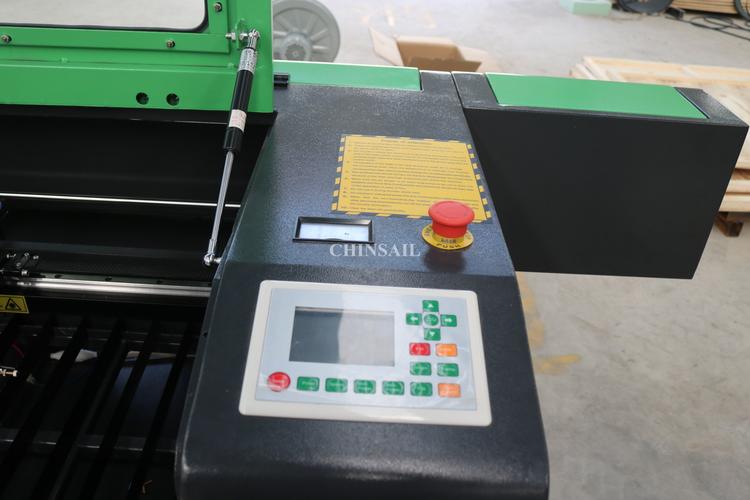
A laser machine is a computer-controlled system that uses amplified light to perform material processing tasks. The concentrated beam of coherent light can vaporize, melt, or burn materials with extreme precision. Modern laser machines combine optics, motion control systems, and specialized software to achieve remarkable results across diverse applications.
Key Benefits of Laser Machines
Laser cutting systems offer numerous advantages over traditional manufacturing methods. They provide contactless processing that eliminates tool wear, produce clean cuts without burrs, and enable complex designs impossible with conventional tools. Additional benefits include reduced material waste, faster production times, and consistent repeatability for high-volume manufacturing.
Primary Applications of Laser Technology
Industrial laser machines serve countless applications across multiple sectors. They excel at metal cutting for automotive parts, precision engraving for electronics, and intricate etching for jewelry manufacturing. Other common uses include medical device production, aerospace component fabrication, and architectural model creation.
Types of Laser Cutting Machines
The three main categories of industrial laser systems are CO2 lasers, fiber lasers, and crystal lasers. CO2 lasers work well for non-metal materials, fiber lasers dominate metal cutting applications, while crystal lasers offer high power for specialized industrial uses. Each type has distinct advantages depending on material requirements and production needs.
Choosing the Right Laser Machine
Selecting the optimal laser system requires careful consideration of material types, thickness requirements, production volume, and budget constraints. Key factors include laser power, work area size, automation capabilities, and software compatibility. Our expert team can help you identify the perfect solution for your specific manufacturing challenges.
Frequently Asked Questions
What materials can laser machines process?
Laser systems handle various materials including metals, plastics, wood, glass, ceramics, and composites. Specific capabilities depend on the laser type and power.
How accurate are laser cutting machines?
Modern industrial lasers achieve positioning accuracy within ±0.001 inches (±0.03mm) and repeatability of ±0.0005 inches (±0.013mm).
What maintenance do laser machines require?
Routine maintenance includes lens cleaning, mirror alignment checks, cooling system inspection, and regular calibration.
Can laser machines cut thick materials?
High-power fiber lasers can cut steel up to 1 inch thick, while CO2 lasers typically handle materials up to 0.5 inches thick.
Are laser machines safe to operate?
With proper safety enclosures, ventilation, and operator training, laser systems are safe for industrial environments.
Conclusion
Laser machines represent the future of precision manufacturing, offering unmatched capabilities for modern production facilities. Whether you need metal cutting, plastic engraving, or complex prototyping solutions, our advanced laser systems deliver exceptional results. Contact our specialists today to discuss your specific requirements and discover how laser technology can transform your manufacturing processes.