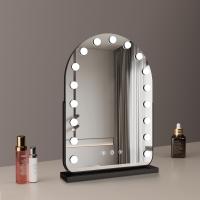
Makeup Magnifying Mirror Ultimate Guide 2024: How to Choose the Best Vanity Mirror_21
The Complete Guide to Makeup Magnifying Mirrors in 2024
The global cosmetic mirror market is projected to reach $1.2 billion by 2025, with makeup magnifying mirrors driving 35% of sales growth. Professional makeup artists and beauty enthusiasts alike face the challenge of finding mirrors that provide perfect magnification without distortion while offering practical lighting solutions.
Makeup Mirror Buying Guide: 7 Must-Check Features
When comparing makeup magnifying mirrors to standard vanity mirrors, three key differences emerge:
| Feature | Magnifying Mirror | Standard Mirror |
|---|---|---|
| Magnification | 5x-20x | 1x |
| Lighting | LED ring lights common | Usually no built-in lighting |
| Portability | Often wall-mounted or freestanding | Typically fixed installation |
Our quality checklist for professional makeup mirrors includes: 1) Distortion-free glass, 2) Adjustable color temperature (2700K-6500K), 3) Touch-sensitive controls, 4) Anti-fog coating, 5) Dimmable LEDs, 6) Stable base or mounting system, and 7) Proper magnification for your needs.
Technical Specifications Explained
The diagram below shows how magnification power affects your viewing area:
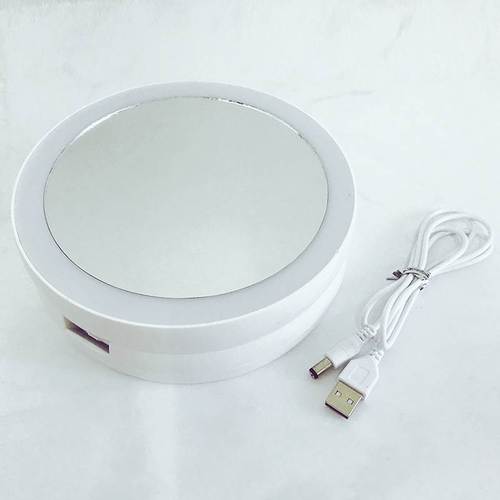
For precise eyebrow grooming, 10x magnification provides the ideal balance between detail visibility and working distance. Higher magnifications (15x-20x) are better for dermatological inspections but may require professional lighting setups.
Industry Trends and Regional Preferences
European markets show 42% higher demand for wall-mounted magnifying mirrors with smart features, while North American consumers prefer freestanding models with USB charging (Statista 2023). New EU regulations now require all lighted mirrors to meet IP44 water resistance standards for bathroom use.
Frequently Asked Questions
Q: Can I use a makeup magnifying mirror for contact lens insertion?
A: Yes, 5x-7x mirrors work best for this purpose as they provide sufficient magnification without being overly restrictive.
Q: What certifications should I look for?
A: Seek CE, RoHS, and for lighted models, UL/ETL certification for electrical safety.
Q: Are there import restrictions?
A: Battery-operated mirrors may require special lithium battery declarations for air freight.
-200x200.jpg "Magnifying Portable Mirror Ultimate Guide 2024: How to Choose the Best Travel Makeup Mirror_12")