Light Therapy Skincare Silicone Mask Ultimate Guide 2024: How to Choose the Best LED Facial Mask_7
The Rising Demand for Light Therapy Skincare
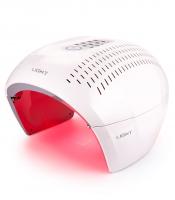
The global light therapy skincare market is projected to reach $1.3 billion by 2027, growing at 5.8% CAGR according to Grand View Research. Professional estheticians report 72% of clients now request non-invasive light therapy treatments. This comprehensive guide examines how medical-grade silicone masks deliver clinical-grade LED light therapy at home.
Key Pain Points Addressed
- Inconsistent light wavelength coverage in budget masks
- Poor facial contour fit causing light leakage
- Lack of medical-grade silicone materials
- Insufficient LED density for professional results
Light Therapy Mask Buying Guide
| Feature | Silicone Mask | Fabric Mask | Handheld Device |
|---|---|---|---|
| Light Coverage | Full-face 360° | Partial coverage | Spot treatment |
| Wavelength Options | 5-7 colors | 1-2 colors | 3-4 colors |
7 Must-Check Features for Professional LED Masks
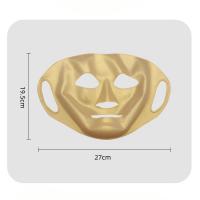
- Medical-grade silicone thickness (2-3mm ideal)
- FDA-cleared wavelengths (630nm red, 415nm blue)
- Minimum 150 LEDs for full-face coverage
Technical Specifications Explained
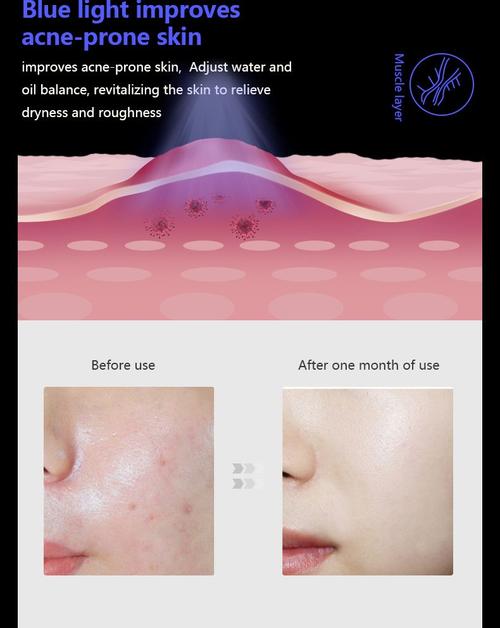
High-end masks utilize 630nm red light (stimulates collagen) and 415nm blue light (kills acne bacteria). The chart below shows penetration depth by wavelength:
Manufacturing Standards
- ISO 13485 certified facilities
- Class II medical device classification
- IP65 waterproof rating
Industry Trends 2024
European markets show 38% growth in prescription-grade home devices. New FDA guidelines require wavelength verification testing. California Prop 65 compliance now mandatory for silicone components.
FAQ
Q: Can I use LED masks with retinol?
A: Yes, but alternate days between treatments to avoid sensitivity.
Q: What certifications should I check?
A: Look for FDA 510(k), CE, and RoHS markings.