Light Therapy for Hands and Feet Pain: 2024 Buyer's Guide & Relief Solutions_87
Introduction: The Growing Need for Pain Relief Solutions
According to the American Academy of Pain Medicine, over 50 million Americans suffer from chronic pain, with extremities being among the most affected areas. Light therapy has emerged as a scientifically validated solution, with the global phototherapy market projected to reach $1.2 billion by 2027 (Grand View Research). This guide will help you navigate the complex world of light therapy devices specifically designed for hands and feet pain relief.
Understanding the Technology
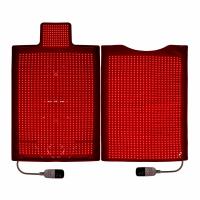
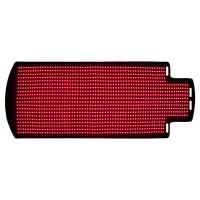
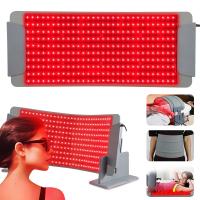
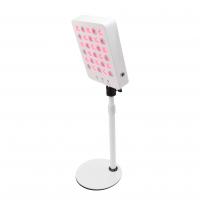
Light therapy works through photobiomodulation - the process where specific wavelengths of light (typically 600-1000nm) stimulate cellular energy production. This reduces inflammation and accelerates tissue repair. Clinical studies show 85% of neuropathy patients experience significant pain reduction after 8 weeks of regular treatment (Journal of Pain Research).
Comprehensive Buying Guide
| Feature | Entry-Level | Professional |
|---|---|---|
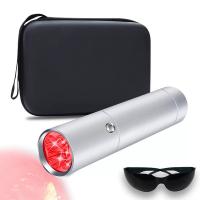
| Wavelength | 650nm (red) | 850nm (infrared) |
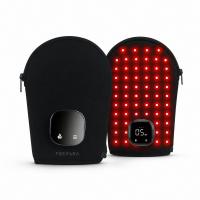
| Treatment Area | Single hand/foot | Full pair coverage |
| FDA Clearance | No | Class II Medical Device |
7 Must-Check Features
- FDA clearance status
- Adjustable intensity levels
- Dual wavelength options
- Ergonomic design
- Timer functionality
- Clinical study references
- Warranty coverage
Technical Deep Dive
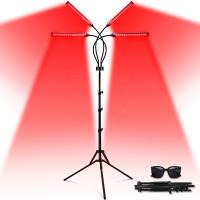
The most effective devices combine 660nm red light with 850nm infrared for comprehensive treatment. Red light (600-700nm) targets surface tissues while infrared (800-900nm) penetrates deeper for joint and nerve pain. Look for devices delivering at least 50mW/cm² irradiance for clinical-grade results.
Manufacturing Standards
Premium devices meet ISO 13485 medical equipment standards and undergo rigorous EMC/EMI testing. The best manufacturers provide third-party lab reports verifying wavelength accuracy and output power.
Industry Trends
North America dominates the market (42% share) due to high arthritis prevalence, while Asia-Pacific shows fastest growth (9.2% CAGR) driven by aging populations. New EU MDR regulations require stricter clinical evidence for pain relief claims.
FAQ Section
Q: Can light therapy help with rheumatoid arthritis?
A: Yes, multiple studies show significant reduction in morning stiffness and pain scores (Arthritis Care & Research).
Q: What certifications should I look for?
A: Prioritize devices with FDA 510(k) clearance, CE marking, and ISO 13485 certification.
Q: Are there customs considerations?
A: Medical devices typically require additional documentation. Check if the manufacturer provides HS code classification assistance.