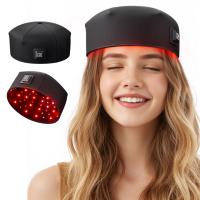
Light Therapy for Eczema: A Complete Guide to Safe and Effective Treatment_51
Light Therapy for Eczema: A Complete Guide to Safe and Effective Treatment
For global medical suppliers and dermatology clinics, light therapy devices represent a growing $420 million market segment with 8.7% annual growth (Grand View Research, 2023). This non-invasive treatment alternative addresses key pain points in chronic eczema management, particularly for patients seeking alternatives to steroid creams.
What is Light Therapy for Eczema?
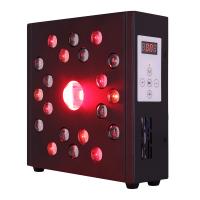
Medical phototherapy utilizes specific wavelengths (typically 311nm narrowband UVB) to reduce inflammation and modulate immune response. Unlike broadband UV, these targeted devices meet IEC 60601-2-57 safety standards for dermatological applications.
Light Therapy vs Traditional Eczema Treatments
| Treatment | Efficacy Rate | Side Effects | Cost per Session |
|---|---|---|---|
| UVB Phototherapy | 68-72% | Mild redness | $50-80 |
| Topical Steroids | 58-65% | Skin thinning | $20-40 |
| Immunosuppressants | 60-68% | Organ toxicity | $120-200 |
5 Key Advantages for Medical Buyers
- Cost-effective: 30-40% lower lifetime costs than biologics
- Compliance: FDA Class II and CE MDD certified models available
- Scalability: Clinic-grade units support 15-20 daily treatments
- Maintenance: 10,000+ hour lamp lifespan with ISO 13485 manufacturing
- Versatility: Adjustable intensity (50-500 mJ/cm²) for different skin types
Industry Adoption Trends
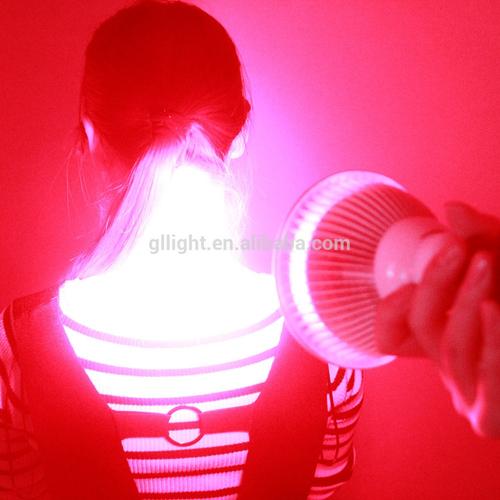
The European market leads adoption with 43% revenue share, while emerging markets show 12% CAGR due to rising atopic dermatitis prevalence (WHO reports 15-30% pediatric cases globally).
Certification Checklist
- ISO 9001:2015 quality systems
- IEC 62471 photobiological safety
- 21 CFR 1040.10 compliance
- RoHS directive compliance
Case Study: German Dermatology Network
A 12-clinic group reduced steroid prescriptions by 37% after implementing UVB cabins, with patient satisfaction scores improving from 6.2 to 8.9/10 within 6 months.
FAQ Section
What's the optimal treatment protocol?
Most protocols recommend 3-5 weekly sessions of 30-90 seconds, gradually increasing exposure.
Do home devices require medical supervision?
FDA-cleared home units are available, but initial physician consultation is advised.
How does NB-UVB compare to UVA?
Narrowband UVB shows superior efficacy (72% vs 58%) with lower photosensitivity risk.
What maintenance is required?
Annual lamp replacement and monthly calibration checks ensure consistent output.
Can devices treat psoriasis too?
Most medical-grade units are dual-indication approved for both conditions.
What's the ROI timeline for clinics?
Typical break-even occurs within 14-18 months at 15 treatments/week.
Download our comparative technical guide to evaluate phototherapy systems for your facility. Our engineering team provides custom wavelength configuration and OEM solutions meeting international medical standards.
-200x200.jpg "Effective Hands and Feet Eczema Light Therapy: A Complete Guide to Soothing Relief_40")