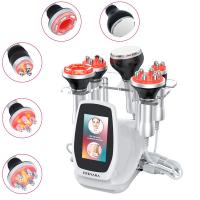
Light Therapy for Depression: A Natural Solution to Boost Your Mood_74
Light Therapy for Depression: A Natural Solution to Boost Your Mood
Introduction
Depression affects millions of people worldwide, and finding effective treatments can be challenging. Light therapy for depression has emerged as a natural and non-invasive solution to help alleviate symptoms, especially for those suffering from seasonal affective disorder (SAD). This article explores the science behind light therapy, its benefits, and how you can incorporate it into your daily routine to improve your mental health.
What Is Light Therapy for Depression?
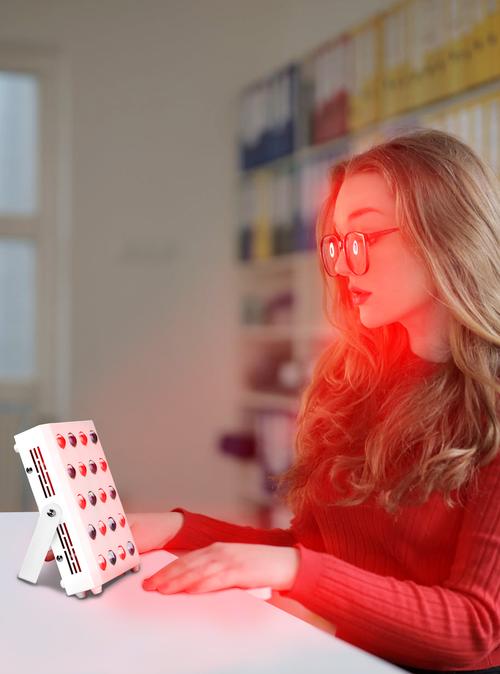
Light therapy for depression involves exposure to bright artificial light that mimics natural sunlight. This treatment is particularly effective for individuals with seasonal affective disorder, a type of depression that occurs during the winter months when daylight is scarce. The therapy works by stimulating the brain's production of serotonin, a neurotransmitter that regulates mood, while reducing melatonin, a hormone associated with sleepiness.
The Benefits of Light Therapy for Depression
Light therapy offers numerous benefits for those struggling with depression. It is a drug-free alternative that can significantly improve mood, energy levels, and overall well-being. Studies have shown that regular use of light therapy can reduce symptoms of SAD by up to 70%. Additionally, it is a safe and cost-effective treatment with minimal side effects, making it an attractive option for many.
Types of Light Therapy Devices
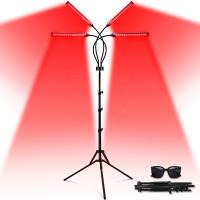
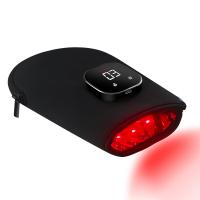
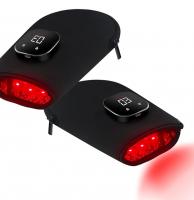
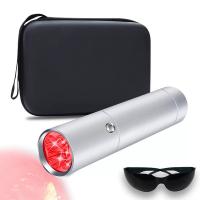
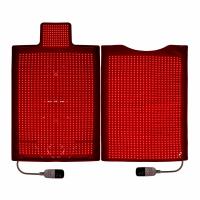
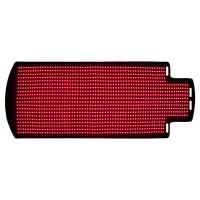
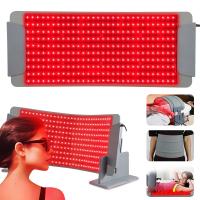
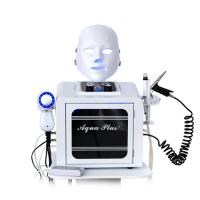
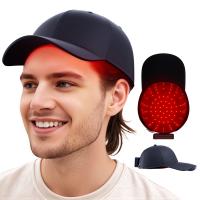
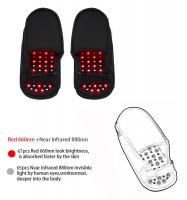
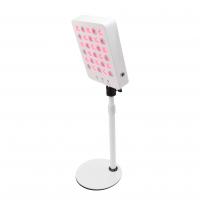
There are several types of light therapy devices available, including light boxes, dawn simulators, and wearable light therapy glasses. Light boxes are the most common and provide a concentrated dose of bright light. Dawn simulators gradually increase light intensity to mimic a natural sunrise, while wearable devices offer convenience for those with busy lifestyles. Choosing the right device depends on your specific needs and preferences.
How to Choose the Best Light Therapy Lamp
When selecting a light therapy lamp, consider factors such as light intensity (measured in lux), size, and portability. Look for devices that emit 10,000 lux of light, as this is the recommended intensity for effective treatment. Ensure the lamp filters out harmful UV rays to protect your skin and eyes. Reading customer reviews and consulting with a healthcare professional can also help you make an informed decision.
Light Therapy and Seasonal Affective Disorder
Seasonal affective disorder is a common condition that affects many people during the darker months of the year. Light therapy for depression has been proven to be particularly effective for SAD, as it helps regulate the body's internal clock and improve mood. Many users report feeling more energetic and less fatigued after just a few sessions of light therapy.
Frequently Asked Questions
1. How long should I use light therapy for depression?
Most experts recommend using light therapy for 20-30 minutes each morning to achieve the best results.
2. Can light therapy be used for non-seasonal depression?
Yes, light therapy can also be beneficial for non-seasonal depression, though it is most commonly used for SAD.
3. Are there any side effects of light therapy?
Side effects are rare but may include mild headaches or eye strain. These usually subside with continued use.
4. When will I start to see results?
Many users notice improvements within a few days to a week of consistent use.
5. Can I use light therapy while taking antidepressants?
Yes, light therapy can be used alongside medication, but it's always best to consult with your doctor first.
Conclusion
Light therapy for depression is a powerful, natural treatment that can help improve your mood and overall quality of life. Whether you suffer from seasonal affective disorder or other forms of depression, incorporating light therapy into your routine may provide significant relief. Explore our range of high-quality light therapy devices and take the first step toward a brighter, happier you today.