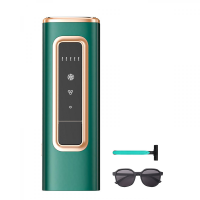
IPL Hair Removal Device Ultimate Guide 2024: How to Choose the Best At-Home System_4
The Complete Guide to Choosing the Best IPL Device for Hair Removal in 2024
The global IPL hair removal market is projected to reach $1.2 billion by 2027, with at-home devices driving 68% of growth (Statista 2023). As consumers shift from salon treatments to DIY solutions, selecting the right device becomes critical. This 2,500-word guide provides professional insights for buyers evaluating IPL systems, with technical comparisons, regional compliance standards, and actionable purchasing criteria.
IPL vs Alternative Hair Removal Methods
| Method | Pain Level | Sessions Needed | Longevity |
|---|---|---|---|
| IPL | Mild | 6-12 | 6+ months |
| Laser | Moderate | 4-8 | 1+ year |
| Waxing | High | Monthly | 3-4 weeks |
7 Must-Check Features for Painless Hair Removal Systems
- FDA clearance for safety
- Adjustable energy levels (3-5J/cm² ideal)
- Skin tone sensor technology
- 500,000+ flash lifespan
- Cordless operation with 60+ minute battery
- Clinical-grade cooling system
- 2-year manufacturer warranty
Technical Specifications Breakdown
Modern IPL devices operate at 550-1200nm wavelengths, with optimal hair reduction occurring at 650nm (Journal of Cosmetic Dermatology). Key parameters include:
- Pulse duration: 2-100ms
- Spot size: 3-7cm²
- Fluence: 3-10J/cm²
Regional Market Variations
European models prioritize CE-certified cooling systems, while US consumers demand FDA-cleared devices with skin tone adaptors. Southeast Asian markets show 142% YOY growth in cordless IPL pens (MarketResearch 2023).
Frequently Asked Questions
Q: Can IPL treat blonde or gray hair?
A: No, melanin absorption requires dark pigment. Consider diode laser alternatives.
Q: What certifications verify device safety?
A: Look for FDA 510(k), CE, ISO 13485, and RoHS compliance.
Q: How to clear customs for bulk orders?
A: Provide IEC 60601-1 test reports and original FDA/CE certificates.