How to Use a Hair Curling Wand: Step-by-Step Guide for Perfect Curls_82
Using a hair curling wand can transform your hairstyle, adding volume, bounce, and elegance. Whether you're a beginner or a pro, mastering the curling wand helps create flawless curls with minimal effort. This guide covers everything from preparation to styling tips.
1. how to curl hair with a wand2. best temperature for curling wand
3. how to avoid heat damage with curling wand
4. curling wand vs curling iron
1. how to curl hair with a wand
Curling your hair with a wand starts with clean, dry hair. Apply a heat protectant to shield your strands from damage. Section your hair into manageable parts, clipping the rest away. Take a small section (about 1-2 inches wide) and wrap it around the wand, starting from the mid-lengths to the ends. Hold for 5-10 seconds, then release. For tighter curls, use a smaller barrel; for loose waves, opt for a larger one. Repeat until all sections are curled. Finish with a light hairspray to hold the style. 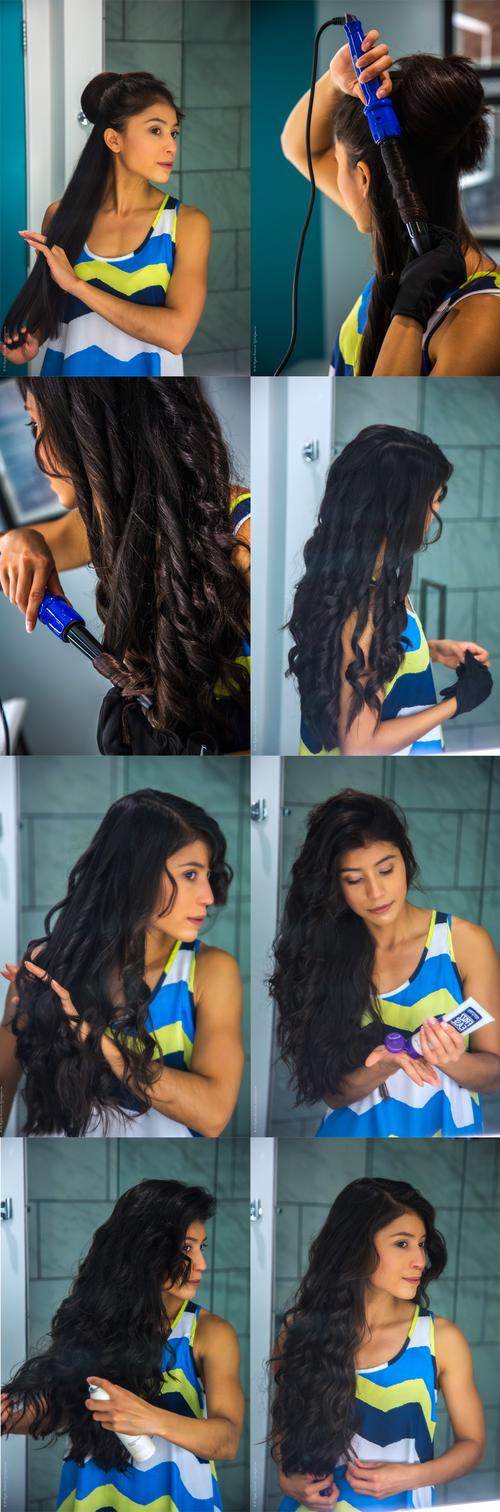
2. best temperature for curling wand
The ideal temperature for your curling wand depends on your hair type. Fine or damaged hair should use lower heat (around 300°F) to prevent breakage. Medium-thick hair works well at 350°F, while coarse or thick hair may need 400°F for long-lasting curls. Always start at a lower setting and increase if needed. Using too much heat can cause dryness and split ends, so invest in a wand with adjustable temperature controls. Test a small section first to ensure the heat isn’t damaging your hair.
3. how to avoid heat damage with curling wand
Heat damage is a common concern when using curling wands. To minimize risk, always apply a heat protectant spray or serum before styling. Avoid holding the wand on one section for too long—5-10 seconds is usually sufficient. Use lower temperatures for fine or color-treated hair. Deep condition your hair weekly to restore moisture. Limit heat styling to 2-3 times per week and opt for heatless curls occasionally. Investing in a high-quality ceramic or tourmaline wand can also reduce damage by distributing heat evenly.
4. curling wand vs curling iron
Curling wands and curling irons serve similar purposes but have key differences. Wands lack a clamp, offering more versatility for creating beachy waves, spirals, or defined curls. Curling irons have a clamp, making them better for uniform curls or tight ringlets. Wands are ideal for experienced users who want creative control, while irons are beginner-friendly. Wands often heat up faster and provide longer-lasting curls. Choose based on your desired style and skill level—both can deliver stunning results with practice.
Mastering the hair curling wand opens endless styling possibilities. Whether you prefer bouncy curls, soft waves, or voluminous spirals, the right technique makes all the difference. Protect your hair from heat, experiment with temperatures, and practice sectioning for flawless results. Ready to elevate your hairstyle? Try these tips today and embrace gorgeous, salon-worthy curls at home.
Using a curling wand effectively requires practice, but the results are worth it. From selecting the right temperature to avoiding heat damage, these tips ensure beautiful, healthy curls every time. Whether you're new to wands or refining your technique, this guide helps you achieve professional-looking styles effortlessly.