Hot Air Brush vs Blow Dryer: Which is Better for Your Hair?_36
When it comes to hair styling, the debate between hot air brushes and blow dryers continues. Both tools offer unique benefits for different hair types and styling needs. This guide will help you understand their differences and choose the right one for your routine.
1. hot air brush benefits2. blow dryer damage prevention
3. best hair dryer for thick hair
4. hot air brush vs blow dryer results
1. hot air brush benefits
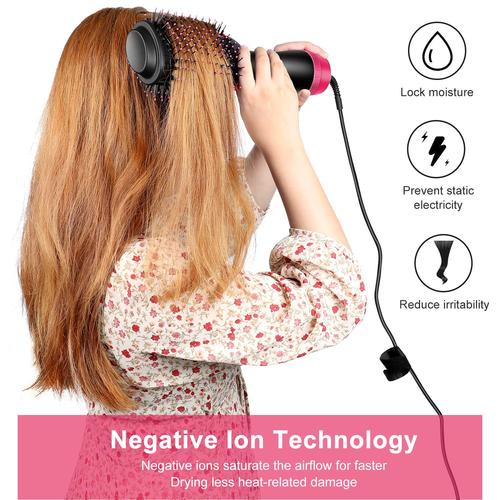
Hot air brushes combine brushing and drying in one step, making them incredibly efficient for busy mornings. The rotating bristles help create volume while smoothing the hair cuticle. Unlike traditional blow dryers, these tools often have ceramic or tourmaline components that distribute heat evenly, reducing hot spots that can cause damage. Many models feature ionic technology to combat frizz and enhance shine. They're particularly beneficial for those with fine to medium hair textures who want bounce and body without excessive heat exposure. The built-in brush allows for precise styling control, enabling you to create curls, waves, or straight styles with a single tool.
2. blow dryer damage prevention
Proper blow dryer technique can significantly reduce hair damage. Always start with a heat protectant spray and use the lowest effective temperature setting. Keep the dryer moving constantly, maintaining at least 6 inches distance from your hair. Concentrator nozzles help direct airflow precisely where needed, minimizing unnecessary heat exposure. Cool shot buttons seal cuticles for added shine. For optimal protection, dry hair 80% naturally before finishing with the dryer. High-quality dryers with multiple heat and speed settings allow customized drying based on your hair's needs. Regular deep conditioning treatments can help repair any heat-related damage over time.
3. best hair dryer for thick hair
Thick hair requires powerful dryers with high wattage (1800-2000W) and strong airflow. Look for models with multiple heat/speed combinations and a cold shot button. Ionic technology helps reduce drying time by breaking down water molecules faster. Ceramic or tourmaline components prevent extreme heat concentration. Professional-grade dryers often feature advanced motors that maintain consistent power without overheating. For thick curly hair, diffuser attachments create defined curls without frizz. The Dyson Supersonic and BaBylissPRO Nano Titanium are excellent choices for thick hair, offering both power and advanced heat control technologies.
4. hot air brush vs blow dryer results
Hot air brushes typically create smoother, more voluminous styles with less effort, while blow dryers offer more styling versatility when used with different attachments. Air brushes excel at creating bouncy blowouts and adding root lift, especially on shorter to medium-length hair. Traditional dryers work better for precision styling, sleek straight looks, or when working with very long or thick hair that needs section-by-section drying. The finish from an air brush tends to be more polished and salon-like for everyday wear, whereas blow dryers allow for more dramatic styling variations. Your choice should depend on your hair type, desired style, and the time you can dedicate to styling.
Whether you choose a hot air brush or traditional blow dryer depends on multiple factors including your hair type, styling goals, and time constraints. Hot air brushes simplify the styling process for many, while blow dryers offer professional-level control. Consider your hair's specific needs regarding heat protection and desired finish. Both tools can deliver beautiful results when used properly with the right techniques and complementary products. Investing in quality tools suited to your hair type will yield the best long-term results for hair health and style.