Home Use RF Machine Ultimate Guide 2024: How to Choose Quality Skin Care Devices_37
23/09/2025
0 Comments
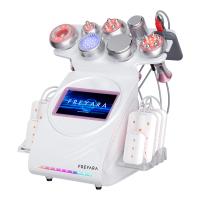
The global home beauty device market is projected to reach $15.3 billion by 2027, with radio frequency (RF) machines leading growth at 12.4% CAGR. Home use RF machines have revolutionized personal skincare, offering professional-level treatments without clinic visits. Many consumers struggle with selecting effective devices that deliver visible results while ensuring safety. This comprehensive guide will walk you through everything from technical specifications to purchasing considerations, helping you make an informed decision for your skincare needs. We'll cover essential buying factors, technical breakdowns, industry trends, and answer frequently asked questions. Choosing the right home RF machine requires understanding key differentiators between devices. Our comparison table highlights critical distinctions: Home RF Machine vs. Alternative Technologies. RF technology uses controlled thermal energy to stimulate collagen production, while LED devices rely on light therapy and ultrasonic machines utilize sound waves. RF typically delivers deeper tissue penetration reaching 2-4mm beneath the skin's surface. For effective home RF machine selection, verify these 7 essential features: Multiple energy levels (3-5 settings minimum), safety sensors for temperature control, FDA clearance or CE certification, ergonomic design for self-treatment, adjustable timer settings, replaceable electrode tips, and clear operation indicators. Consider Brand X's solution addressing sagging jawlines: Their patented circular electrode design distributes heat evenly, preventing hot spots while maintaining effective temperature ranges between 104-113°F. Technical specifications determine RF machine performance. The frequency range typically falls between 0.5-1MHz for home devices, with power output ranging from 10-30 watts. Electrode size affects treatment area coverage - larger electrodes (3-5cm) work better for body treatments while smaller tips (1-2cm) suit facial precision work. Treatment duration varies by area: 15-20 minutes for full face, 10-15 minutes per body section. Modern devices incorporate automatic shut-off features after 10-15 minutes of continuous use. Industry trends show particular strength in North American markets where consumers prioritize anti-aging solutions, while Southeast Asian markets focus more on whitening effects. Environmental considerations include RoHS compliance restricting hazardous substances and energy-efficient designs consuming 20-40% less power than earlier models. New EU regulations require clearer energy consumption labeling by 2025. Frequently Asked Questions: Are home RF machines suitable for sensitive skin? Most devices offer adjustable settings making them adaptable, though patch testing is recommended. What certifications should I look for? FDA clearance, CE marking, and RoHS compliance indicate safety standards. How does customs clearance work? Typically falls under personal care appliances with 8-15% import duty depending on country, requiring proper documentation including certificate of origin and compliance declarations. For optimal results, combine RF treatments with quality skincare products containing hyaluronic acid and peptides. Maintenance involves regular cleaning with alcohol wipes and proper storage in included protective cases. Most manufacturers offer 1-2 year warranties with extended coverage available for additional purchase. Consumer reports indicate highest satisfaction among users who follow consistent treatment schedules of 2-3 sessions weekly for the first month, transitioning to maintenance mode with weekly sessions thereafter. Clinical studies demonstrate measurable improvement in skin elasticity after 8-12 weeks of regular use when combined with proper hydration and sun protection.