
hands and feet light therapy benefits: How Red Light Therapy Can Improve Circulation_4
Hands and feet light therapy is a non-invasive treatment that uses red or near-infrared light to stimulate cellular activity, improve circulation, and promote healing in the extremities. This therapy is gaining popularity for its ability to relieve pain, reduce inflammation, and enhance skin health.
Table of Contents
1. hands and feet light therapy benefits2. how does red light therapy work for hands and feet
3. best hands and feet light therapy devices
4. light therapy for neuropathy in hands and feet
1. hands and feet light therapy benefits
Hands and feet light therapy offers numerous benefits, including improved circulation, reduced pain, and faster healing. The red and near-infrared light penetrates deep into the tissues, stimulating mitochondria to produce more ATP, which enhances cellular energy and repair. This therapy is particularly effective for individuals with poor circulation, arthritis, or neuropathy. Regular use can also improve skin tone and reduce inflammation, making it a versatile treatment for various conditions. Many users report significant pain relief and increased mobility after consistent sessions. The non-invasive nature of this therapy makes it a safe alternative to medications or surgeries.
2. how does red light therapy work for hands and feet
Red light therapy works by emitting specific wavelengths of light that penetrate the skin and are absorbed by the mitochondria in cells. This absorption boosts ATP production, which is essential for cellular repair and energy. In the hands and feet, this process can enhance blood flow, reduce inflammation, and accelerate healing. The therapy is particularly beneficial for conditions like Raynaud's disease, diabetic neuropathy, and arthritis. Unlike UV light, red light therapy does not damage the skin and has no known side effects when used correctly. Clinical studies have shown that regular sessions can significantly improve symptoms and overall quality of life for patients with chronic conditions.
3. best hands and feet light therapy devices
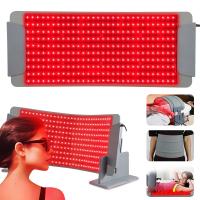
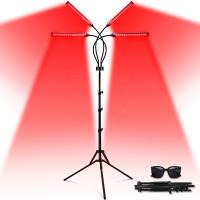
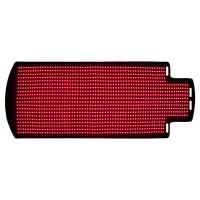
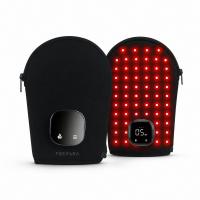
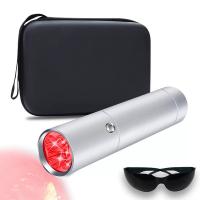
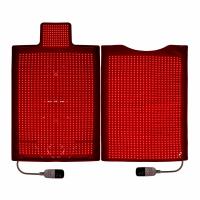
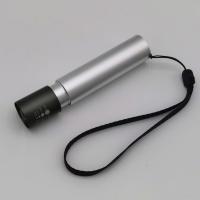
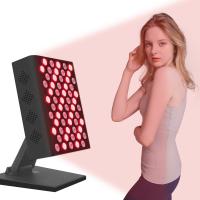
When choosing a hands and feet light therapy device, consider factors like wavelength, power output, and ease of use. The best devices typically emit red light at 660nm and near-infrared light at 850nm, as these wavelengths are most effective for tissue penetration. Look for FDA-cleared devices with positive customer reviews. Portable options are ideal for home use, while professional-grade devices may offer more powerful treatments. Some popular models include gloves and boots designed specifically for light therapy, ensuring even coverage. Always follow the manufacturer's guidelines for optimal results and safety.
4. light therapy for neuropathy in hands and feet
Light therapy has shown promise in managing neuropathy symptoms in the hands and feet. By improving circulation and reducing inflammation, it can alleviate pain, tingling, and numbness associated with nerve damage. Studies suggest that regular sessions can help regenerate nerve fibers and restore function. Patients with diabetic neuropathy, chemotherapy-induced neuropathy, or idiopathic neuropathy may benefit from this treatment. Combining light therapy with other therapies like physical therapy or supplements can enhance results. Always consult a healthcare provider before starting any new treatment regimen.
Hands and feet light therapy is a versatile and effective treatment for various conditions, from poor circulation to chronic pain. Whether you're looking to improve skin health, reduce inflammation, or manage neuropathy, this therapy offers a safe and non-invasive solution. Explore the benefits of red light therapy and discover how it can enhance your well-being. With the right device and consistent use, you can experience significant improvements in your hands and feet health.
In conclusion, hands and feet light therapy is a powerful tool for improving circulation, reducing pain, and promoting overall health. Its non-invasive nature and lack of side effects make it an attractive option for many. By understanding its benefits and how it works, you can make an informed decision about incorporating this therapy into your wellness routine.
-200x200.jpg "The Ultimate Guide to Hands & Feet Light Therapy: Benefits and Applications_21")