Hair Growth Devices Comparison Guide 2024: How to Choose the Best Laser Cap_22
The Ultimate Hair Growth Devices Comparison Guide 2024
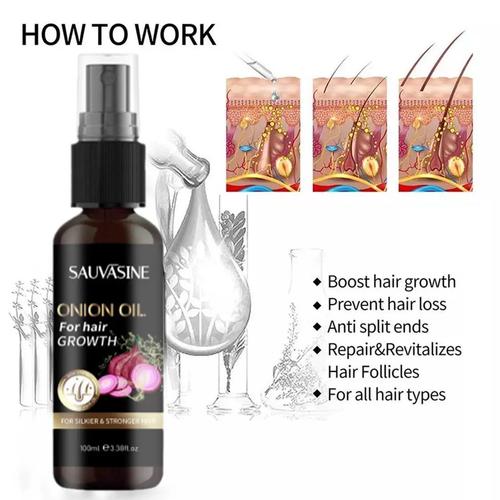
Introduction: The Growing Demand for Hair Regrowth Solutions
The global hair care device market is projected to reach $3.9 billion by 2027 (Statista). With 50 million Americans experiencing hair loss, consumers increasingly seek clinically-proven at-home solutions. This guide compares all major hair growth technologies, from laser caps to microcurrent devices, helping you make informed purchasing decisions.
Hair Growth Device Buying Guide
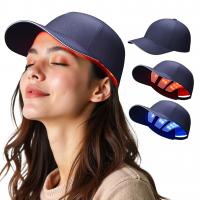
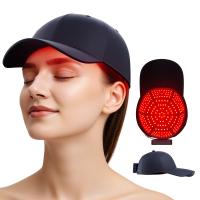
Laser Cap vs. Helmet vs. Comb: Technology Comparison
| Feature | Laser Cap | Laser Helmet | LED Comb |
|---|---|---|---|
| Coverage | Full scalp | Partial coverage | Spot treatment |
| Wavelength | 650-670nm | 630-670nm | 630-660nm |
7 Must-Check Features for Clinical-Grade Devices
- FDA clearance for hair regrowth
- Medical-grade laser diodes (not LEDs)
- Minimum 272 lasers for full coverage
Technical Deep Dive: How Hair Growth Devices Work
Low-level laser therapy (LLLT) at 650nm wavelength stimulates cellular activity in hair follicles. Clinical studies show 37% increased hair density after 26 weeks (Journal of Cosmetic Dermatology).
Manufacturing Standards Checklist
- ISO 13485 certified facilities
- Class II medical device classification
- CE/RoHS compliance for EU markets
Industry Trends and Regional Preferences
North America leads in laser cap adoption (62% market share), while Asian markets prefer handheld devices. New FDA guidelines require minimum 6-month clinical studies for hair growth claims.
FAQ Section
Are hair growth devices safe for color-treated hair?
Yes, FDA-cleared devices won't damage hair color when used as directed.
What certifications should I look for?
Prioritize devices with FDA 510(k) clearance and CE marks for European sales.