Essential RF Measurement Tools for Accurate Wireless Testing and Analysis_53
Essential RF Measurement Tools for Accurate Wireless Testing and Analysis
Introduction
RF measurement tools are critical for engineers and technicians working in wireless communications, aerospace, defense, and other industries requiring precise radio frequency analysis. These specialized instruments enable accurate testing of signals, components, and systems to ensure optimal performance and compliance with industry standards. This comprehensive guide explores the essential RF measurement tools every professional should know about.
What Are RF Measurement Tools?
RF measurement tools are specialized electronic instruments designed to analyze, measure, and test radio frequency signals and components. These tools help engineers characterize wireless devices, troubleshoot signal issues, and verify system performance across various frequency ranges. From basic handheld devices to sophisticated benchtop equipment, RF measurement tools form the backbone of modern wireless testing.
Key Benefits of Using RF Measurement Tools
Investing in quality RF measurement tools offers numerous advantages for businesses and research institutions. These instruments provide precise signal analysis, helping identify interference sources and optimize wireless performance. They enable compliance testing with regulatory standards, ensure product quality, and accelerate development cycles. Advanced RF measurement tools can significantly reduce troubleshooting time while improving the reliability of wireless systems.
Types of RF Measurement Tools
The RF testing landscape includes several essential instruments. Spectrum analyzers measure signal amplitude versus frequency, while network analyzers characterize RF components. Signal generators create test signals, and power meters measure RF power levels. Other important tools include vector signal analyzers, oscilloscopes with RF capabilities, and field strength meters for real-world measurements.
Applications of RF Measurement Tools
RF measurement tools find applications across numerous industries. Telecommunications companies use them for base station testing and network optimization. Aerospace and defense organizations rely on these tools for radar and satellite communications testing. Consumer electronics manufacturers utilize RF measurement tools for WiFi, Bluetooth, and cellular device validation. Research institutions employ them for cutting-edge wireless technology development.
Choosing the Right RF Measurement Tools
Selecting appropriate RF measurement tools requires careful consideration of several factors. Frequency range, measurement accuracy, and resolution bandwidth are critical specifications. Portability needs, interface options, and software compatibility also influence purchasing decisions. For comprehensive testing solutions, many professionals opt for modular systems that can be customized for specific measurement requirements.
Industry Trends in RF Measurement
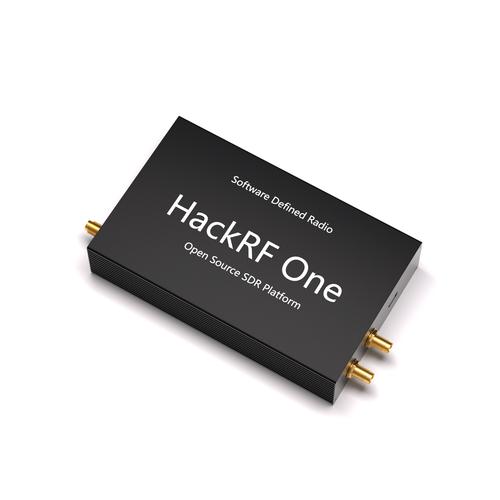
The RF measurement tools market continues to evolve with emerging technologies. 5G testing demands instruments with higher frequency capabilities and wider bandwidths. IoT device proliferation drives need for cost-effective testing solutions. Software-defined instrumentation and AI-assisted analysis are becoming increasingly common, offering greater flexibility and automation in RF measurements.
Frequently Asked Questions
What is the most basic RF measurement tool?
A spectrum analyzer is considered one of the most fundamental RF measurement tools, providing essential frequency domain analysis capabilities.
How often should RF measurement tools be calibrated?
Most manufacturers recommend annual calibration, though critical applications may require more frequent verification.
Can RF measurement tools test both analog and digital signals?
Modern RF measurement tools typically support analysis of both analog and various digital modulation formats.
What frequency range do most commercial RF measurement tools cover?
While ranges vary, many commercial tools cover from 9 kHz up to 6 GHz or higher, with specialized equipment reaching millimeter-wave frequencies.
How important is phase noise performance in RF measurement tools?
Phase noise is critical for many applications, particularly in communications systems where it can affect signal quality and data integrity.
Conclusion
RF measurement tools play a vital role in today's wireless-dependent world. By understanding the different types, applications, and selection criteria, professionals can make informed decisions about their testing needs. For high-quality RF measurement solutions tailored to your specific requirements, explore our comprehensive product offerings today.