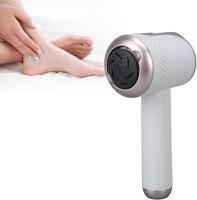
Electric Foot Callus Remover Ultimate Guide 2024: How to Choose the Best Professional Pedicure Tool_8
The Growing Demand for Electric Foot Callus Removers
The global foot care market is projected to reach $3.2 billion by 2025, with electric callus removers accounting for 28% of sales growth according to Market Research Future. As people increasingly prioritize foot health and at-home grooming solutions, finding the right electric foot callus remover has become essential for podiatrists, salon professionals, and home users alike.
This comprehensive guide will walk you through:
- Key differences between professional and consumer-grade models
- 7 must-check features for effective dead skin removal
- Technical specifications that impact performance
- Emerging trends in the foot care industry
- Answers to common import/export questions
Electric Foot Callus Remover Buying Guide
When comparing electric callus removers to traditional manual files, consider these factors:
| Feature | Electric Remover | Manual File |
|---|---|---|
| Time Efficiency | 3-5 minutes per foot | 10-15 minutes per foot |
| Precision | Adjustable speed settings | Fixed abrasiveness |
| Safety | Skin sensors | Risk of over-filing |
7 Essential Features to Verify
- Ceramic vs diamond roller heads
- Rechargeable battery life (minimum 60 minutes)
- Waterproof rating (IPX7 recommended)
- Variable speed control (3+ settings ideal)
- Ergonomic non-slip grip
- FDA/CE certification
- Replacement head availability
Technical Specifications Explained
Understanding these parameters ensures you select the right model:

Motor Power: 15-25W provides optimal balance between effectiveness and safety. Higher wattage models (30W+) are typically for clinical use only.
Rotation Speed: 3600-4500 RPM is ideal for most users. Some premium models offer digital speed displays for precise control.
Industry Trends and Compliance
The European market shows 42% year-over-year growth in electric foot care devices, while North America leads in premium product adoption. New EU regulations now require:
- RoHS compliance for all electronic components
- Medical-grade sterilization for professional tools
- Extended producer responsibility for battery disposal
Frequently Asked Questions
Q: Can electric callus removers be used on diabetic feet?
A: Only under podiatrist supervision. Look for models with extra-sensitive skin settings.
Q: What certifications are required for export?
A: FDA for US, CE for EU, and KC for South Korea. Always include test reports with shipments.
Q: How to clear customs smoothly?
A: Classify under HS code 8214.90.90 and provide voltage compatibility documentation.