Choosing the Best LED Heat Sink Material for Optimal Thermal Management_22
Choosing the Best LED Heat Sink Material for Optimal Thermal Management
Introduction
LED heat sink materials play a crucial role in ensuring the longevity and performance of LED lighting systems. Effective thermal management is essential to prevent overheating, which can significantly reduce the lifespan of LEDs. This article explores the various types of LED heat sink materials, their benefits, and how to choose the right one for your needs.
What Is LED Heat Sink Material?
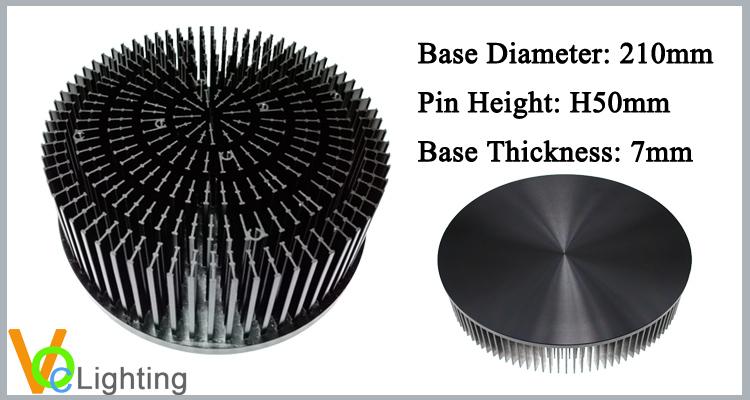
LED heat sink material is a component designed to absorb and dissipate heat generated by LEDs. By transferring heat away from the LED chip, these materials help maintain optimal operating temperatures, ensuring consistent performance and extended lifespan.
Benefits of Using Quality LED Heat Sink Materials
High-quality LED heat sink materials offer several advantages, including improved thermal conductivity, enhanced durability, and better energy efficiency. These materials help prevent thermal throttling, ensuring that LEDs operate at peak performance.
Types of LED Heat Sink Materials
There are several types of LED heat sink materials, each with unique properties. Aluminum is the most common due to its excellent thermal conductivity and lightweight nature. Copper offers superior heat dissipation but is heavier and more expensive. Ceramic and composite materials are also gaining popularity for specialized applications.
How to Choose the Right LED Heat Sink Material
Selecting the right LED heat sink material depends on factors such as thermal requirements, budget, and application environment. Aluminum is ideal for most general-purpose LED applications, while copper is better suited for high-performance systems requiring superior heat dissipation.
Linking to Our Products
Our company specializes in high-quality LED heat sink materials designed to meet diverse thermal management needs. Explore our range of aluminum and copper heat sinks to find the perfect solution for your LED applications.
Frequently Asked Questions
1. Why is thermal management important for LEDs?
Thermal management prevents overheating, which can degrade LED performance and lifespan.
2. What is the best material for LED heat sinks?
Aluminum is the most popular due to its balance of cost and performance, while copper offers superior heat dissipation.
3. How do I know if my LED needs a heat sink?
If your LED operates at high power or in enclosed spaces, a heat sink is essential.
4. Can I use any metal as a heat sink?
Not all metals are suitable; materials with high thermal conductivity like aluminum and copper are preferred.
5. How does a heat sink improve LED efficiency?
By dissipating heat, a heat sink maintains optimal operating temperatures, ensuring consistent light output and longevity.
Conclusion
Choosing the right LED heat sink material is critical for effective thermal management. Whether you opt for aluminum, copper, or other materials, ensure it meets your specific needs. Visit our website to explore our premium LED heat sink solutions today.