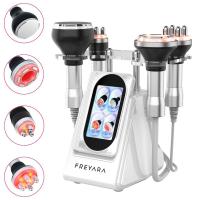
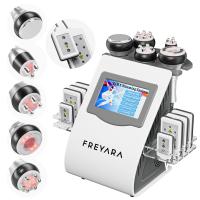
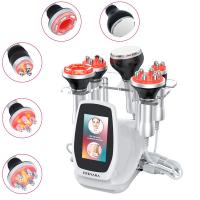
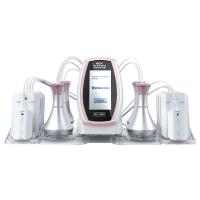
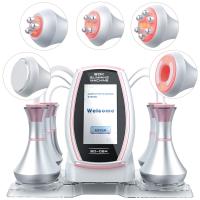
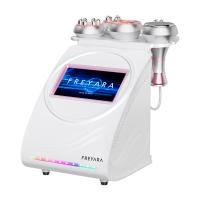
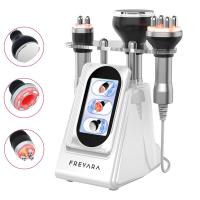
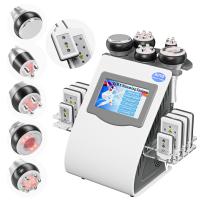
Cavitation Slimming Machine Ultimate Guide 2024: How to Choose the Best Body Contouring Device_72
The Complete Guide to Cavitation Slimming Machines in 2024
The global non-invasive fat reduction market is projected to reach $14.9 billion by 2027, growing at 15.2% CAGR according to Grand View Research. As demand for safe body contouring solutions rises, cavitation slimming machines have emerged as the preferred alternative to liposuction. This comprehensive guide will help you navigate the cavitation technology landscape, whether you're a spa owner purchasing professional equipment or an individual seeking home treatment solutions.
Cavitation Machine Buying Guide: Professional vs Home Use
When investing in a cavitation slimming machine, these 7 features are non-negotiable:
- Frequency range (typically 30-40kHz for optimal fat disruption)
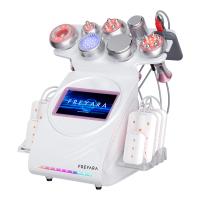
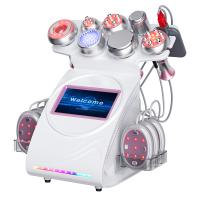
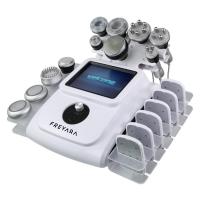
- Number of transducers (professional models have 6-8)
- FDA/CE certification
- Adjustable intensity levels
- Real-time temperature monitoring
- Ergonomic handpiece design
- After-sales service package
| Feature | Professional Grade | Home Use |
|---|---|---|
| Power Output | 100-300W | 15-50W |
| Treatment Area | Full body | Localized |
| Session Duration | 30-60 mins | 15-30 mins |
Ultrasonic Cavitation Technology Explained
Modern cavitation machines use low-frequency ultrasound waves to create microbubbles in adipose tissue. When these bubbles implode, they rupture fat cell membranes while leaving surrounding tissues intact. The liquefied fat is then metabolized through the lymphatic system.
Key technical specifications to evaluate:
- Ultrasonic frequency: 30-40kHz for subcutaneous fat
- Cavitation threshold: Minimum 0.3MPa
- Treatment depth: 1-6cm penetration
Industry Trends and Regional Demand
North America currently dominates the cavitation equipment market with 38% revenue share (Statista 2023), while Asia-Pacific shows the fastest growth at 18.7% CAGR. New EU MDR regulations now require Class IIa medical device certification for professional cavitation machines.
Frequently Asked Questions
Q: How many cavitation sessions are needed for visible results?
A: Most users see noticeable contouring after 6-8 sessions spaced 72 hours apart.
Q: Can cavitation machines treat double chin?
A: Yes, with specialized 1cm handpieces designed for facial applications.
Q: What's the difference between RF and ultrasonic cavitation?
A: Radiofrequency heats tissue for collagen tightening while ultrasound disrupts fat cells mechanically.