Best Ultrasonic Cavitation Machine for Fat Reduction and Body Sculpting_69
Best Ultrasonic Cavitation Machine for Fat Reduction and Body Sculpting
Introduction
Ultrasonic cavitation machines have revolutionized the aesthetics industry by offering a non-surgical alternative to traditional liposuction. These advanced devices use low-frequency ultrasound waves to break down fat cells, making them ideal for body contouring and cellulite reduction. As demand for non-invasive fat reduction treatments grows, understanding ultrasonic cavitation technology becomes essential for spa owners and beauty professionals.
What is an Ultrasonic Cavitation Machine?
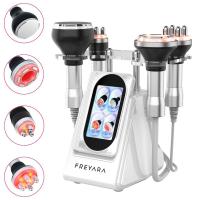
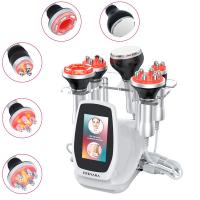
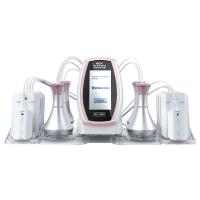
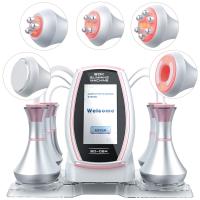
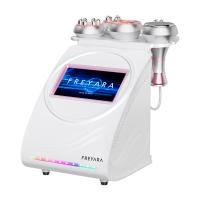
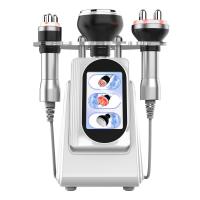
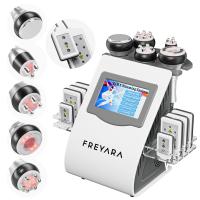
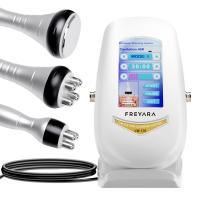
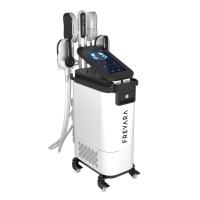
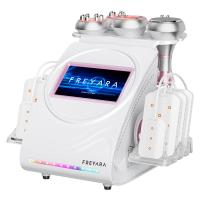
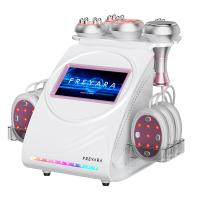
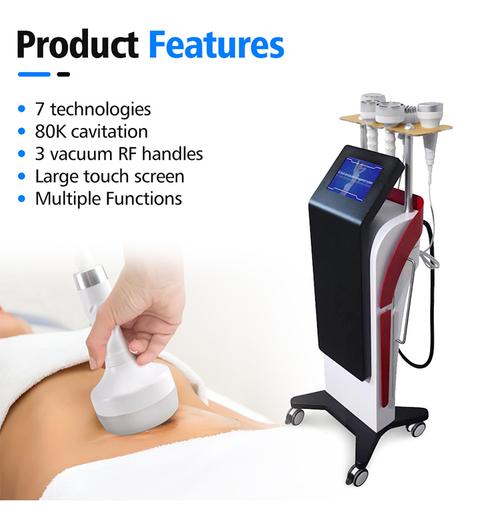
An ultrasonic cavitation machine is a professional aesthetic device that uses ultrasound waves to target and destroy fat cells beneath the skin. The technology works by emitting ultrasonic waves at specific frequencies (typically between 20-40 kHz) that create microscopic bubbles in the fat tissue. When these bubbles collapse (cavitation), they break down fat cell membranes, releasing triglycerides that are then naturally eliminated by the body's lymphatic system.
Key Benefits of Ultrasonic Cavitation
1. Non-invasive fat reduction without surgery or downtime
2. Effective for stubborn fat areas like abdomen, thighs, and love handles
3. Stimulates collagen production for improved skin elasticity
4. Can be combined with radiofrequency for enhanced results
5. Suitable for all skin types with minimal side effects
Professional Applications
Modern ultrasonic cavitation machines are widely used in:
- Medical spas and aesthetic clinics
- Weight loss centers
- Beauty salons and wellness centers
- Physical therapy practices
- Post-pregnancy body contouring programs
Choosing the Right Machine
When selecting a professional ultrasonic cavitation machine, consider:
1. Frequency range (multi-frequency devices offer more versatility)
2. Power output (higher wattage for deeper fat layers)
3. Treatment head size and design
4. Additional features like RF or vacuum therapy
5. CE/FDA certification for safety standards
FAQs
How many sessions are typically needed?
Most clients require 6-12 sessions spaced 72 hours apart for optimal results.
Is the treatment painful?
Ultrasonic cavitation is generally painless, with most clients describing a warm, tingling sensation.
Who shouldn't use cavitation machines?
Contraindications include pregnancy, liver disease, and patients with pacemakers.
Conclusion
Investing in a high-quality ultrasonic cavitation machine can significantly enhance your service offerings and client results. For professional-grade devices with advanced features, explore our selection of FDA-cleared cavitation systems designed for clinical environments.