Best LED Heat Sink Solutions for Optimal Thermal Management_85
LED heat sinks are essential components for managing the thermal output of LED lighting systems, ensuring longevity and optimal performance by dissipating excess heat effectively.
Table of Contents
1. Types of LED heat sinks2. Benefits of aluminum LED heat sinks
3. How to choose the right LED heat sink
4. Importance of thermal management in LED lighting
1. Types of LED heat sinks
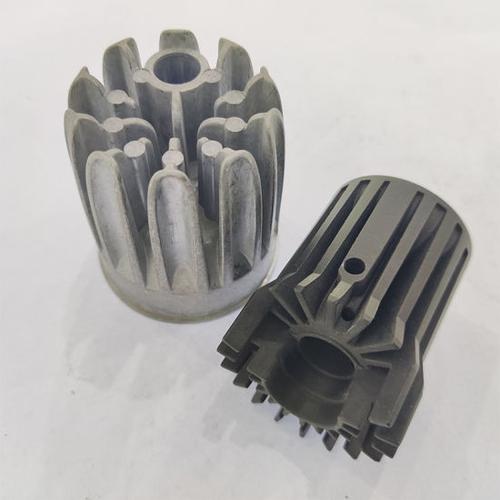
LED heat sinks come in various types, including passive, active, and hybrid models. Passive heat sinks rely on natural convection to dissipate heat, making them silent and maintenance-free. Active heat sinks use fans or other mechanisms to enhance cooling, suitable for high-power LED applications. Hybrid heat sinks combine both methods for maximum efficiency. Each type has its advantages, depending on the specific requirements of the LED system. Understanding these differences helps in selecting the right heat sink for your needs.
2. Benefits of aluminum LED heat sinks
Aluminum LED heat sinks are popular due to their excellent thermal conductivity, lightweight nature, and cost-effectiveness. They efficiently transfer heat away from the LED, preventing overheating and ensuring consistent performance. Additionally, aluminum is resistant to corrosion, making it durable for various environments. Its malleability allows for custom designs, catering to specific cooling requirements. These benefits make aluminum heat sinks a preferred choice for many LED applications.
3. How to choose the right LED heat sink
Selecting the right LED heat sink involves considering factors like thermal resistance, size, material, and design. Thermal resistance indicates how well the heat sink dissipates heat, with lower values being better. The size should match the LED's power output to ensure adequate cooling. Material choice affects conductivity and weight, with aluminum being a common option. Design considerations include fin density and surface area, which impact cooling efficiency. Evaluating these factors ensures optimal thermal management for your LED system.
4. Importance of thermal management in LED lighting
Effective thermal management is crucial for LED lighting systems to maintain performance and longevity. Excessive heat can degrade LED components, reducing brightness and lifespan. Proper heat dissipation ensures stable operation and prevents premature failure. Investing in quality heat sinks and cooling solutions enhances energy efficiency and reliability. Understanding thermal management principles helps in designing and maintaining efficient LED lighting systems.
LED heat sinks play a vital role in ensuring the efficiency and durability of LED lighting systems. From aluminum heat sinks to advanced thermal management techniques, choosing the right solution can significantly impact performance. Explore our comprehensive guide to find the best heat sink for your needs and optimize your LED applications.
In conclusion, LED heat sinks are indispensable for maintaining the performance and longevity of LED lighting systems. By understanding the types, benefits, and selection criteria, you can make informed decisions to enhance thermal management. Invest in quality heat sinks to ensure optimal cooling and reliable operation for your LED applications.