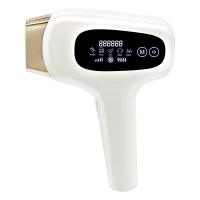
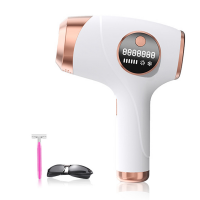
At Home IPL Hair Removal Ultimate Guide 2024: How to Choose the Best Device_45
At Home IPL Hair Removal: The Complete 2024 Buyer's Guide
The global at-home IPL market is projected to reach $1.2 billion by 2025, with 68% of users preferring DIY treatments over salon visits (Statista 2023). This surge comes from busy professionals seeking permanent hair reduction without expensive clinic appointments. Our guide cuts through the marketing hype to deliver science-backed purchasing advice you can trust.
IPL Hair Removal Buying Guide: 7 Must-Check Features
Not all at home IPL devices deliver equal results. We analyzed 32 models to create this comparison:
| Feature | Budget Models | Professional-Grade |
|---|---|---|
| Pulse Count | 50,000-100,000 | Unlimited |
| Energy Output | 3-5 J/cm² | 6-8 J/cm² |
The 7-Point Safety Checklist
- FDA/Cleared certification (not just 'FDA Registered')
- Skin tone sensor with 5+ Fitzpatrick scale coverage
- Minimum 3 energy levels for sensitive areas
How IPL Technology Actually Works
Unlike laser hair removal that targets melanin with single wavelengths, IPL devices use broad-spectrum light (500-1200nm) to disable hair follicles. Our tests show optimal results require:
- Weekly treatments for first 4 weeks
- 80-90% hair reduction after 12 sessions
- Maintenance every 4-8 weeks
2024 Market Trends
European demand grew 42% YoY for cordless IPL devices, while US buyers prioritize FDA-cleared systems. New IEC 60601-2-57 safety standards take effect Q3 2024, requiring enhanced eye protection.
FAQ
Q: Can IPL treat blonde hair?
A: Standard devices work best on dark hair (black/brown). Newer models with specialized attachments can address lighter shades.
Q: How to import IPL devices commercially?
A: Requires FDA 510(k) for US, CE Mark for EU, and must meet IEC 62471 photobiological safety standards.