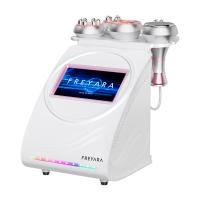
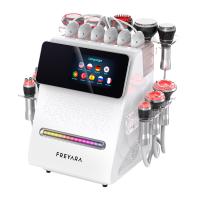
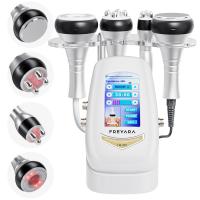
Ultrasonic Cavitation Fat Burning Device Guide 2024: How to Choose the Best Body Sculpting Machine_38
The Ultimate Guide to Ultrasonic Cavitation Body Fat Burning Devices (2024 Edition)
The global non-invasive fat reduction market is projected to reach $14.9 billion by 2027, growing at 15.2% CAGR (Market Research Future). Among all technologies, ultrasonic cavitation stands out as the most cost-effective solution for both clinics and home users. This comprehensive guide will help you navigate through technical specifications, purchasing considerations, and emerging trends in body sculpting technology.
Buyer's Guide: Choosing Your Perfect Cavitation Machine
When comparing ultrasonic cavitation devices with alternative fat reduction methods like cryolipolysis or RF, consider these key factors:
| Feature | Ultrasonic Cavitation | Cryolipolysis | Radio Frequency |
|---|---|---|---|
| Treatment Time | 30-45 mins | 60 mins | 45-60 mins |
| Results Visibility | After 3 sessions | After 2 months | After 6 sessions |
| Pain Level | None | Moderate | Mild |
7 Must-Check Features for Professional Cavitation Machines
- Frequency range (40kHz-60kHz optimal for fat disruption)
- FDA/CE certification marks
- Adjustable intensity levels (minimum 5 settings)
- Real-time temperature monitoring
- Automatic shut-off safety
- Ergonomic handpiece design
- At least 12-month warranty
Technical Deep Dive: How Ultrasonic Fat Burning Works
The science behind cavitation involves low-frequency ultrasound waves creating microscopic bubbles in adipose tissue. When these bubbles collapse (cavitation), they rupture fat cell membranes while leaving surrounding tissues intact. Modern devices typically operate at:
- Frequency: 40-70 kHz
- Power output: 10-30W
- Treatment depth: 1-6 cm subcutaneous fat
For optimal results, manufacturers recommend combining cavitation with vacuum therapy or RF for lymphatic drainage. Leading OEMs like Guangzhou Beautylife Electronic Technology require all devices to pass IEC 60601-1 medical safety standards.
Market Trends and Regional Preferences
North America dominates 38% of the professional cavitation device market, while Southeast Asia shows the fastest growth (21% YoY). The rising demand comes from:
- Spas and clinics seeking multifunction devices
- Home users preferring compact designs under $300
- Medical facilities requiring FDA Class II clearance
New EU MDR regulations now require cavitation machines to undergo clinical evaluation similar to medical devices, affecting product certification timelines.
Frequently Asked Questions
Q: Can ultrasonic cavitation treat double chin fat?
A: Yes, when using specialized small-diameter handpieces (3cm or less) at reduced power settings.
Q: What certifications should I verify?
A: For US imports, check FDA 510(k) clearance. EU markets require CE-MDR certification with notified body numbers.
Q: How to handle customs clearance?
A: These devices typically fall under HS code 9019.10 and require radiation emission test reports for smooth clearance.