The Ultimate Guide to LED Spectrometers: Precision Light Measurement Solutions_56
The Ultimate Guide to LED Spectrometers: Precision Light Measurement Solutions
Introduction
In today's technologically advanced world, precise light measurement has become crucial across various industries. LED spectrometers have emerged as indispensable tools for professionals requiring accurate spectral analysis. These sophisticated instruments measure the intensity of light as a function of wavelength, providing critical data for quality control, research, and development. This comprehensive guide explores everything you need to know about LED spectrometers, from their fundamental principles to practical applications and selection criteria.
What is an LED Spectrometer?
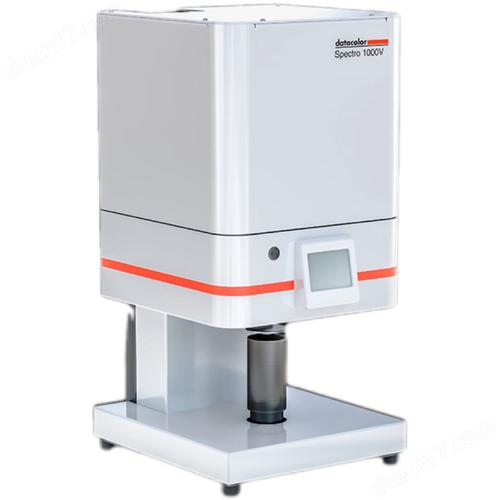
An LED spectrometer is a specialized optical instrument designed to measure and analyze the spectral composition of light emitted by LED sources. Unlike traditional spectrometers, these devices are optimized for the unique characteristics of LED lighting, offering superior accuracy in measuring color temperature, chromaticity coordinates, and spectral power distribution. The working principle involves dispersing light into its component wavelengths using a diffraction grating or prism, then detecting and analyzing these components with precision sensors.
Key Benefits of Using LED Spectrometers
LED spectrometers provide numerous advantages for professionals working with light measurement. Their exceptional accuracy ensures reliable data for critical applications, while their wide spectral range covers the complete visible spectrum and beyond. These instruments offer rapid measurement capabilities, enabling efficient quality control processes. Additionally, modern LED spectrometers feature compact designs, user-friendly interfaces, and advanced data analysis software, making them accessible to both experts and beginners in the field.
Applications of LED Spectrometers
The versatility of LED spectrometers makes them valuable across multiple industries. In lighting manufacturing, they ensure product consistency and compliance with international standards. Research laboratories utilize them for studying light-matter interactions and developing new materials. The automotive industry relies on spectrometers for testing vehicle lighting systems, while the display industry uses them for quality control of screens and monitors. Environmental scientists employ these instruments for atmospheric studies and light pollution research.
Choosing the Right LED Spectrometer
Selecting the appropriate LED spectrometer requires careful consideration of several factors. Spectral resolution determines the instrument's ability to distinguish between closely spaced wavelengths, while measurement speed affects workflow efficiency. Consider the wavelength range to ensure it covers all relevant spectral features for your application. Other important factors include sensitivity, signal-to-noise ratio, and the availability of specialized measurement modes. Our company offers a range of high-quality LED spectrometers designed to meet diverse professional requirements.
Frequently Asked Questions
What is the difference between a spectrometer and a spectrophotometer?
While both instruments measure light properties, a spectrometer typically analyzes light sources, whereas a spectrophotometer measures how samples absorb or reflect light.
How often should an LED spectrometer be calibrated?
Professional-grade LED spectrometers should be calibrated annually, though critical applications may require more frequent calibration.
Can LED spectrometers measure ultraviolet or infrared light?
Many advanced models can measure beyond the visible spectrum, but this depends on the specific detector and optical components.
What is the typical accuracy of LED spectrometers?
High-quality instruments can achieve wavelength accuracy within ±0.1 nm and photometric accuracy within ±1%.
How do environmental factors affect spectrometer measurements?
Temperature fluctuations and humidity can impact measurements, which is why many professional models include environmental compensation features.
Conclusion
LED spectrometers represent the gold standard in precise light measurement, offering unparalleled accuracy and versatility for numerous professional applications. Whether you're involved in lighting design, quality control, or scientific research, investing in the right spectrometer can significantly enhance your work. Explore our selection of premium LED spectrometers today to find the perfect solution for your specific needs.