High-Precision LED Spectrometer: The Ultimate Guide for Accurate Light Measurement_6
High-Precision LED Spectrometer: The Ultimate Guide for Accurate Light Measurement
Introduction
In today's technology-driven world, accurate light measurement is crucial across various industries. LED spectrometers have emerged as essential tools for professionals requiring precise spectral analysis. This comprehensive guide explores everything you need to know about LED spectrometers, from their fundamental principles to practical applications and selection criteria.
What is an LED Spectrometer?
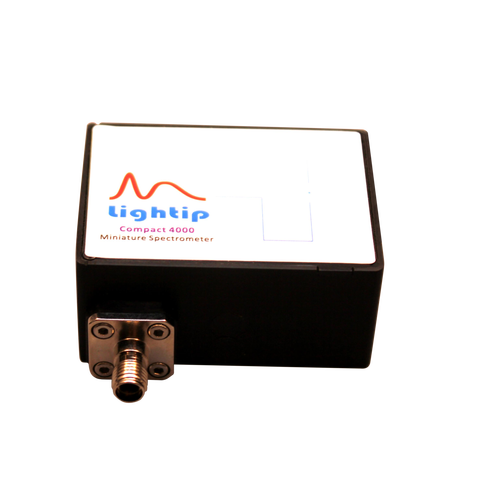
An LED spectrometer is a sophisticated optical instrument designed to measure the intensity of light emitted by LED sources across different wavelengths. These devices provide detailed spectral data, enabling users to analyze color characteristics, luminous intensity, and other critical parameters of LED lighting products.
Key Benefits of Using LED Spectrometers
LED spectrometers offer numerous advantages for quality control and research applications. They provide unmatched accuracy in measuring color temperature, chromaticity coordinates, and spectral power distribution. Unlike traditional measurement methods, modern LED spectrometers deliver rapid results with high repeatability, making them indispensable for LED manufacturers, lighting designers, and research laboratories.
Applications of LED Spectrometers
LED spectrometers find applications in diverse fields including LED production quality control, architectural lighting design, automotive lighting testing, and display calibration. They are particularly valuable for ensuring color consistency in LED manufacturing and for compliance testing with international lighting standards.
Choosing the Right LED Spectrometer
When selecting an LED spectrometer, consider factors such as spectral range, resolution, measurement speed, and software compatibility. High-end models offer features like cosine correction for angular response and temperature stabilization for consistent measurements. Our company offers a range of professional-grade LED spectrometers suitable for various applications and budgets.
Industry Trends and Future Developments
The LED spectrometer market continues to evolve with advancements in miniaturization and wireless connectivity. Emerging technologies like AI-powered spectral analysis and IoT integration are transforming how professionals collect and interpret light measurement data.
Frequently Asked Questions
What is the typical wavelength range of an LED spectrometer?
Most LED spectrometers cover the visible spectrum from 380nm to 780nm, with some models extending into UV or near-infrared ranges.
How often should an LED spectrometer be calibrated?
Professional calibration is recommended annually, though frequent users may require more regular calibration depending on usage intensity.
Can LED spectrometers measure other light sources besides LEDs?
Yes, quality LED spectrometers can measure various light sources including fluorescent, incandescent, and natural light.
Conclusion
Investing in a high-quality LED spectrometer is essential for professionals requiring accurate light measurement. Explore our selection of precision instruments designed to meet your specific requirements and elevate your light measurement capabilities.