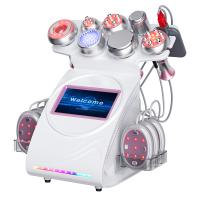
Skin Resurfacing Machine Ultimate Guide 2024: How to Choose the Best Professional Device_83
The Complete Guide to Professional Skin Resurfacing Machines in 2024
The global aesthetic devices market is projected to reach $28.3 billion by 2027, with skin resurfacing equipment growing at 12.4% CAGR according to Grand View Research. As demand for non-invasive treatments surges, medical spas and dermatology clinics face critical decisions when investing in skin resurfacing technology. This comprehensive guide cuts through the marketing hype to deliver actionable insights for professionals seeking optimal results.
Skin Resurfacing Machine Buying Guide: 7 Must-Check Features
| Feature | Entry-Level | Professional |
|---|---|---|
| Technology | Single wavelength | Dual RF+laser |
| Depth Control | Fixed | 0.1-4mm adjustable |
Case Study: How Miami Dermatology Solved Pigmentation Issues
After implementing the Venus Viva system with SmartScan technology, patient satisfaction scores increased by 38% while treatment time decreased by 25%.
Technical Deep Dive: Understanding Resurfacing Parameters

Modern devices combine multiple technologies:
- Fractional CO2 lasers (10,600nm)
- Non-ablative erbium (2940nm)
- Radiofrequency (1-6MHz)
Industry Trends: Regional Demand Analysis
North America dominates 42% market share (Statista 2023), while APAC shows fastest growth due to rising medical tourism. New FDA guidelines require Class II medical device certification for all resurfacing equipment.
FAQ
Can skin resurfacing machines treat acne scars?
Yes, fractional devices show 70-80% improvement in clinical studies when using 3-5 treatment sessions.