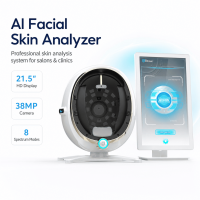
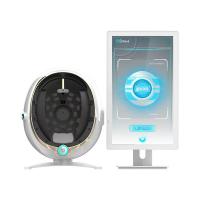
Skin Moisture Analysis Machine Ultimate Guide 2024: How to Choose the Best Professional Device_92
Introduction: The Growing Demand for Skin Hydration Analysis
The global skin analysis devices market is projected to reach $1.2 billion by 2027 (Statista, 2023), with moisture measurement being the most requested feature in dermatology clinics. As consumers become increasingly aware of skin health, professionals struggle to find reliable tools that deliver clinical-grade accuracy outside laboratory settings. This comprehensive guide will walk you through:
- Key differences between medical and consumer-grade devices
- 7 must-check technical specifications
- Latest innovations in non-invasive measurement
- Regional compliance standards
Skin Moisture Analysis Machine Buying Guide
Professional vs Consumer Devices Comparison
| Feature | Clinical Grade | Portable Units |
|---|---|---|
| Accuracy | ±1% water content | ±3-5% |
| Measurement Depth | Up to 1.2mm | 0.3-0.8mm |
| Data Export | FDA-compliant reports | Mobile app sync |
7 Critical Features to Verify
- Corneometer® equivalent technology
- ISO 10993-5 biocompatibility certification
- Multi-point calibration
- Ambient humidity compensation
- 3D skin surface mapping
- Bluetooth 5.0+ connectivity
- Clinical validation studies
Technical Deep Dive: How Skin Hydration Measurement Works
Modern devices use capacitance measurement at 1MHz frequency to detect dielectric constant changes in stratum corneum. The process involves:

Key parameters affecting results include electrode material (gold preferred), contact pressure (20-40g optimal), and environmental controls (RH 40-60%). Leading manufacturers like Courage+Khazaka enforce strict IEC 60601-2 standards for medical electrical equipment.
Industry Trends and Regional Requirements
North America dominates 38% market share due to strict FDA 510(k) clearance requirements for Class II medical devices. The EU mandates MDR 2017/745 compliance, while Asian markets show 24% annual growth in portable beauty devices. Emerging sustainability standards now require RoHS-compliant materials in probe construction.
Frequently Asked Questions
Can these machines diagnose skin conditions?
While they measure hydration levels, diagnosis requires additional tests like TEWL measurements and dermatologist evaluation.
What certifications should I look for?
Prioritize devices with CE Marking (EU), FDA clearance (US), and ISO 13485 quality management certification.
How to handle customs clearance?
Medical-grade units require HS code 9018.19 with proper documentation of electrical safety certifications for smooth import.