Skin Analysis Machine Ultimate Guide 2024: How to Choose the Best Facial Scanner_26
The Growing Demand for Skin Analysis Technology
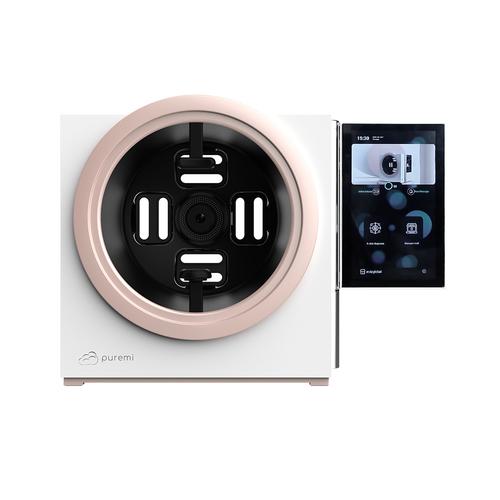
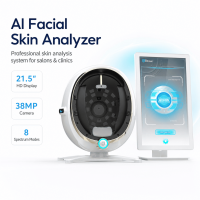
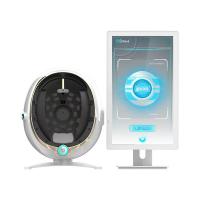
The global skin analysis devices market is projected to reach $1.2 billion by 2027, growing at 8.3% CAGR (Statista 2023). As consumers become more skincare-conscious, professionals need advanced tools for accurate diagnosis. This guide covers everything from technical specifications to regional compliance standards for skin analysis machines.
Skin Analysis Machine vs Alternative Solutions
| Feature | Professional Skin Scanner | Mobile Apps | Manual Analysis |
|---|---|---|---|
| Accuracy | 98% | 65% | 70% |
| Parameters Measured | 12+ | 3-5 | 4-6 |
7 Must-Check Features in Professional Skin Analyzers
- Multi-spectral imaging technology
- FDA/CE certification
- Cloud-based analysis software
- 3D facial mapping
- Portable vs stationary options
- AI-powered diagnostics
- Customizable reporting
Technical Deep Dive: How Skin Analysis Machines Work
Modern devices use RBX technology (Red-Blue-X) to capture skin conditions at different wavelengths. The typical measurement process involves:
- UV light exposure for pigmentation analysis
- Polarized light for subsurface imaging
- Cross-polarized imaging for surface analysis
Regional Market Requirements
European models require CE marking and GDPR-compliant data handling, while US models need FDA 510(k) clearance. Southeast Asian markets prefer portable devices with multi-language support.
Frequently Asked Questions
Q: Can skin analysis machines detect skin cancer?
A: While they can identify suspicious lesions, they should never replace professional medical diagnosis.
Q: What maintenance do these machines require?
A: Daily calibration and monthly professional servicing are recommended for clinical-grade devices.